
Comparison Chart: Cream, Lotion, Ointment, Serum, Lubricant & Moisturizer
This chart compares different topical products based on their definitions, texture, absorption rate, primary purpose, common uses, example ingredients, advantages, disadvantages, and common examples available in India.
Key Takeaways
- Topical formulations differ primarily in their water-to-oil ratios, molecular sizes, and depth of epidermal penetration.
- Ointments provide the highest occlusive protection for severely dry or compromised skin, while serums deliver high concentrations of bio-active molecules.
- Creams provide balanced, moderate-absorption hydration suitable for daily facial and body care across most skin types.
- Lotions are thin and water-dominant, making them optimal for rapid coverage over large body areas without stickiness.
- Lubricants are formulated purely for friction reduction during intimacy or medical exams and carry no therapeutic moisturizing benefits.
This chart compares different topical products based on their definitions, texture, absorption rate, primary purpose, common uses, example ingredients, advantages, disadvantages, and common examples available in India.
Quick Reference Comparison Matrix: Cream, Lotion, Ointment, Serum, Lubricant & Moisturizer
The table below details every parameter for clear, side-by-side evaluation across all six formulation categories:
| Property | Cream | Lotion | Ointment | Serum | Lubricant | Moisturizer |
|---|---|---|---|---|---|---|
| Definition | Semi-solid preparation, oil & water-based | Liquid or semi-liquid, water-based | Greasy, oil-heavy preparation with little to no water | Lightweight liquid with high concentration of active ingredients | Gel, oil, or water-based product to reduce friction | Product designed to hydrate and prevent skin dryness |
| Texture | Thick, smooth | Thin, light | Thick, greasy | Very light, thin | Smooth, slippery | Varies: light to thick, depending on formulation |
| Absorption Rate | Moderate absorption | Fast absorption | Slow absorption, stays longer on skin | Rapid absorption, targets deep layers | Instant lubrication effect | Moderate to fast absorption depending on formulation |
| Primary Purpose | Hydrate skin, deliver active ingredients | Hydrate skin, treat mild skin issues | Protect and heal very dry or damaged skin | Deliver high concentration of active ingredients | Reduce friction during sexual activity or medical exams | Hydrate skin, maintain skin barrier, prevent dryness |
| Common Uses | Dry skin, eczema, anti-aging creams, medicated creams | Body moisturizing, mild skin conditions, sunburn | Severe dry skin, wounds, psoriasis, eczema | Anti-aging, brightening, acne treatment, hair/scalp care | Sexual activity, medical procedures (e.g., speculum exams) | Daily skincare to maintain hydration and skin health |
| Example Ingredients | Water, oils, emulsifiers, active agents | Water, emulsifiers, less oil than creams | Petrolatum, lanolin, mineral oil | Hyaluronic acid, Vitamin C, peptides | Glycerin, silicone, water, propylene glycol | Glycerin, Dimethicone, Hyaluronic Acid, Ceramides |
| Advantages | Balanced hydration, suitable for most skin types | Lightweight, easy to apply over large areas | Strong protective barrier, ideal for very dry skin | High potency of actives, lightweight application | Immediate friction reduction, various formulations | Maintains skin hydration, prevents dryness and flakiness |
| Disadvantages | May feel heavy in hot weather | May need frequent reapplication | Greasy, may clog pores | More expensive, may cause irritation if not suitable | Temporary effect, not therapeutic for skin health | Less therapeutic compared to serums or medicated creams |
| Examples (India) | Cipla Dermacare Cream, Cetaphil Moisturizing Cream | Nivea Body Lotion, Aveeno Daily Moisturizing Lotion | Vaseline Petroleum Jelly, Cipladine Ointment | Minimalist Hyaluronic Acid Serum, L'Oreal Revitalift Serum | KY Jelly, Durex Play Gel, Surgilube | Neutrogena Hydro Boost Gel, Cetaphil Moisturizer, Nivea Soft |
1. Cream: Balanced Hydration & Active Delivery
Creams are semi-solid emulsion systems containing a balanced ratio of water and oil (often approximately 50/50). They are thicker than lotions but lighter and less occlusive than ointments.
- Definition: Semi-solid preparation, oil & water-based.
- Texture & Absorption: Thick and smooth with moderate absorption speed.
- Primary Purpose: Hydrates the skin while delivering medicated or cosmetic active ingredients.
- Common Clinical Uses: Dry skin, eczema, anti-aging creams, and medicated topical treatments.
- Example Ingredients: Water, nourishing oils, cosmetic emulsifiers, and therapeutic active agents.
- Advantages: Provides balanced, long-lasting hydration suitable for most skin types.
- Disadvantages: May feel heavy or comedogenic during hot and humid weather.
- Popular Examples in India: Cipla Dermacare Cream, Cetaphil Moisturizing Cream.
2. Lotion: Fast-Absorbing Lightweight Hydration
Lotions have a high water content and low viscosity, making them ideal for covering extensive surface areas quickly without a sticky after-feel.
- Definition: Liquid or semi-liquid, water-based topical preparation.
- Texture & Absorption: Thin, light consistency with fast skin absorption.
- Primary Purpose: Hydrate large skin surfaces and soothe mild epidermal irritation.
- Common Clinical Uses: Daily full-body moisturizing, mild xerosis, sunburn relief, and humid-climate care.
- Example Ingredients: Water, light emulsifiers, humectants, and reduced oil fractions.
- Advantages: Lightweight, non-greasy, and effortless to spread across wide body surfaces.
- Disadvantages: May evaporate quickly and require frequent reapplication on chronically parched skin.
- Popular Examples in India: Nivea Body Lotion, Aveeno Daily Moisturizing Lotion.
3. Ointment: Intensive Occlusive Protection for Compromised Skin
Ointments are oil-heavy, semi-solid preparations formulated with minimal or no water (typically 80% oil / petrolatum). They form an occlusive barrier that seals in moisture and protects damaged skin.
- Definition: Greasy, oil-heavy preparation with little to no water.
- Texture & Absorption: Thick, rich, greasy texture with slow absorption that stays on the skin.
- Primary Purpose: Protect, soothe, and heal severely compromised, cracked, or dry skin.
- Common Clinical Uses: Severe dry skin, superficial wounds, psoriasis, atopic eczema, and minor abrasions.
- Example Ingredients: Petrolatum, lanolin, mineral oil, and microcrystalline waxes.
- Advantages: Creates a powerful occlusive barrier preventing transepidermal water loss (TEWL).
- Disadvantages: Greasy feel, potential to stain clothing, and high likelihood of clogging pores if used on acne-prone facial zones.
- Popular Examples in India: Vaseline Petroleum Jelly, Cipladine Ointment.
4. Serum: High-Concentration Targeted Actives
Serums are lightweight, fluid formulations engineered with small molecular sizes to penetrate deeply into epidermal layers, delivering high concentrations of targeted dermatological actives.
- Definition: Lightweight liquid with high concentration of bio-active ingredients.
- Texture & Absorption: Very light, water- or light-gel consistency with rapid, deep dermal absorption.
- Primary Purpose: Deliver potent active molecules directly to cellular targets.
- Common Clinical Uses: Anti-aging, hyperpigmentation brightening, active acne treatment, and scalp rejuvenation.
- Example Ingredients: Hyaluronic Acid, L-Ascorbic Acid (Vitamin C), Niacinamide, Retinoids, Peptides.
- Advantages: High potency, targeted therapeutic efficacy, non-greasy finish.
- Disadvantages: Premium price point; high active concentrations may cause mild irritation or tingling on sensitized skin.
- Popular Examples in India: Minimalist Hyaluronic Acid Serum, L'Oreal Revitalift Serum.
5. Lubricant: Friction Reduction & Clinical Applications
Lubricants are specialized gel, water, or silicone-based formulations developed specifically to minimize friction and shear stress across sensitive mucosal or cutaneous interfaces.
- Definition: Gel, oil, or water-based product engineered to reduce surface friction.
- Texture & Absorption: Smooth, slippery consistency with immediate mechanical lubrication.
- Primary Purpose: Reduce mechanical shear during intimacy or outpatient clinical medical examinations.
- Common Clinical Uses: Sexual activity, gynaecological examinations (e.g., speculum insertion, bimanual pelvic checks), transvaginal ultrasound probe insertion.
- Example Ingredients: Purified water, pharmaceutical-grade glycerin, dimethicone silicone, propylene glycol.
- Advantages: Immediate, painless friction elimination with easy cleanup (for water-based varieties).
- Disadvantages: Temporary physical action with zero long-term dermatological moisturizing or skin repair benefits.
- Popular Examples in India: KY Jelly, Durex Play Gel, Surgilube.
6. Moisturizer: Daily Barrier Defense & Moisture Retention
Moisturizers encompass a broad class of skincare formulations (gels, creams, fluid lotions) formulated with humectants, emollients, and occlusives to preserve the skin barrier and prevent dehydration.
- Definition: Skincare formulation designed to hydrate the stratum corneum and prevent epidermal dryness.
- Texture & Absorption: Varies widely from lightweight water-gels to rich lipid creams; moderate to fast absorption.
- Primary Purpose: Hydrate skin cells, restore the intercellular lipid matrix, and prevent transepidermal moisture loss.
- Common Clinical Uses: Daily face and body skincare, maintenance of healthy skin barrier, barrier restoration after chemical peels or sun exposure.
- Example Ingredients: Glycerin, Dimethicone, Ceramides, Hyaluronic Acid, Squalane.
- Advantages: Essential foundation for daily skin health; prevents flaking, stinging, and micro-cracking.
- Disadvantages: Less concentrated than specialized serums and less occlusive than medicinal ointments for acute lesions.
- Popular Examples in India: Neutrogena Hydro Boost Water Gel, Cetaphil Moisturizing Lotion/Cream, Nivea Soft.
Clinical Tip: When layering skincare, always follow the "thinnest to thickest" rule: cleanse → apply serum (thinnest liquid) → apply moisturizer or cream (emulsion) → apply ointment (thickest occlusive, if needed) to ensure optimal penetration and barrier protection.
Frequently Asked Questions
What is the primary difference between a cream, lotion, and ointment?
The primary difference lies in the oil-to-water ratio and texture: ointments are the heaviest and most occlusive (approx. 80% oil / 20% water), creams have a balanced blend of oil and water for moderate absorption, and lotions are mostly water-based, offering a lightweight, fast-absorbing texture suitable for large surface areas.
When should I use a serum instead of a moisturizer?
Serums contain high concentrations of active ingredients (like Hyaluronic Acid, Vitamin C, or Niacinamide) designed to penetrate deep layers of the skin to target specific concerns like aging, pigmentation, or acne. Moisturizers work primarily on the skin's surface to lock in hydration and reinforce the lipid barrier. For best results, apply serum first on clean skin, followed by a moisturizer to seal it in.
Can lubricants be used as daily skin moisturizers?
No. Lubricants are specifically formulated with water, silicone, or glycerin to provide immediate, temporary friction reduction during sexual intercourse or clinical examinations (such as gynecological speculum exams). They do not contain lipid barrier repair lipids or ceramides and provide no long-term therapeutic moisturizing benefit.
Which formulation is best for severely dry skin or eczema?
Ointments (such as petroleum jelly or ceramide-rich balms) and thick creams are most effective for severe dryness and eczema because their occlusive barrier locks in moisture and prevents transepidermal water loss (TEWL) far better than light lotions.
References
Have questions about skin barrier health, intimate wellness, or dermatological care? Consult Dr. Sujata Mittal at Famicare Speciality Center, Rohini.
Related Articles & Latest Clinical Guides
Continue exploring evidence-based oncology, cervical cancer prevention, and wellness insights.
 Surgical Oncology
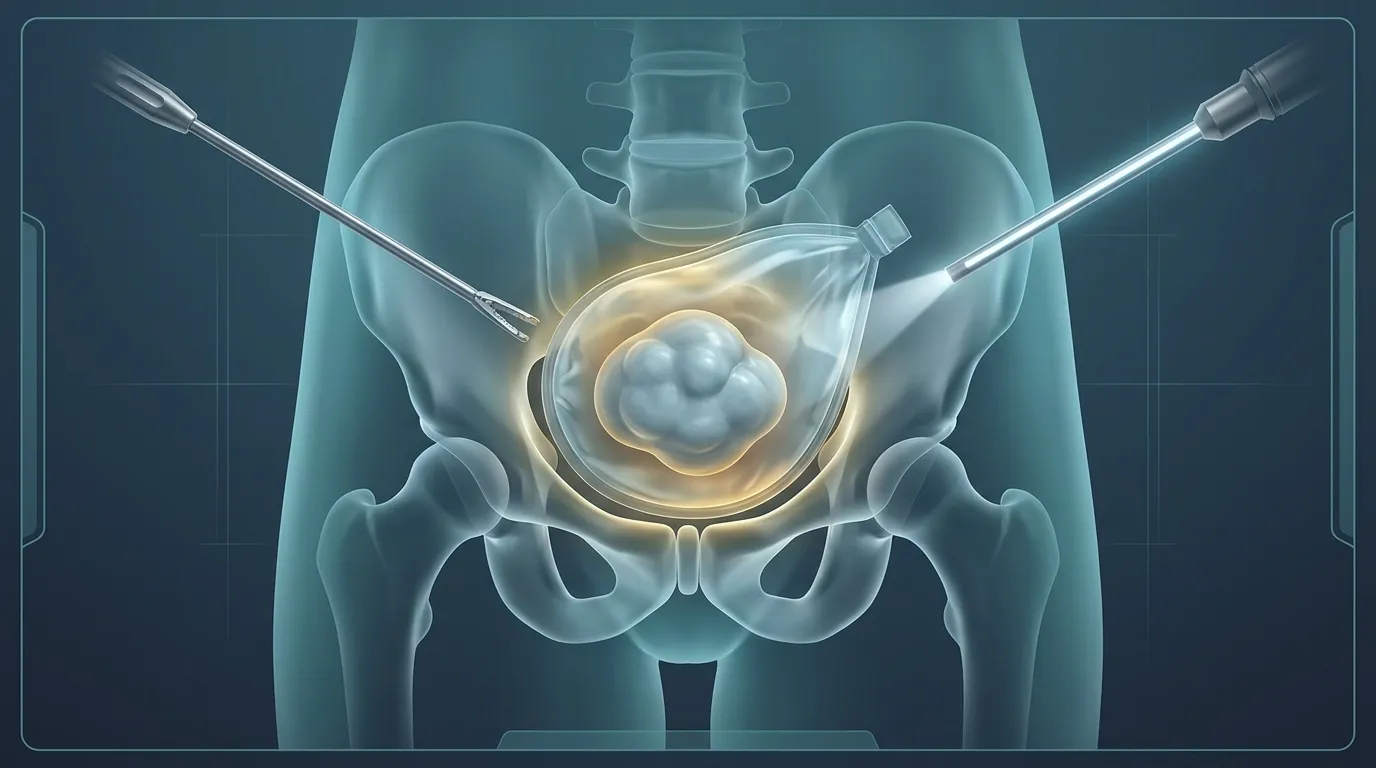
Recurrent and Ectopic Leiomyoma after Hysterectomy: The Critical Need for Cautious Laparoscopic Practice
While hysterectomy is generally curative for fibroids, a rare subset of patients develop recurrent myomas, parasitic myomas, or benign metastasizing leiomyoma (BML). Exploring the critical need for tissue containment, cautious laparoscopic practice, and balanced patient selection.
 Cancer Prevention
Public Health Priorities in India: IMR, NPAFP, Vaccine Sequencing & Cervical Cancer Screening
Examining India's infant mortality rate (IMR), Dr. Jacob Puliyel's NPAFP findings, Peter Aaby's BMJ/Lancet vaccine sequencing research, and the ₹1,300 crore annual HPV vaccine commitment versus India's 1-3% cervical cancer screening coverage.
 Integrative Medicine
Insulin Resistance and PCOS in Young Girls: How Late Nights and Fast Food Rewrite Hormones
Polycystic ovary syndrome (PCOS) affects one in ten women worldwide, with insulin resistance sitting at its core—even in lean teenage girls. Discover how circadian misalignment and modern diets disrupt the HPO axis and how ancient lifestyle wisdom can help reset it.