
Cervical cancer in India: Challenging but controlable
Cervical cancer in India remains a major public health concern despite being largely preventable through HPV vaccination, regular screening, early diagnosis, and timely treatment.
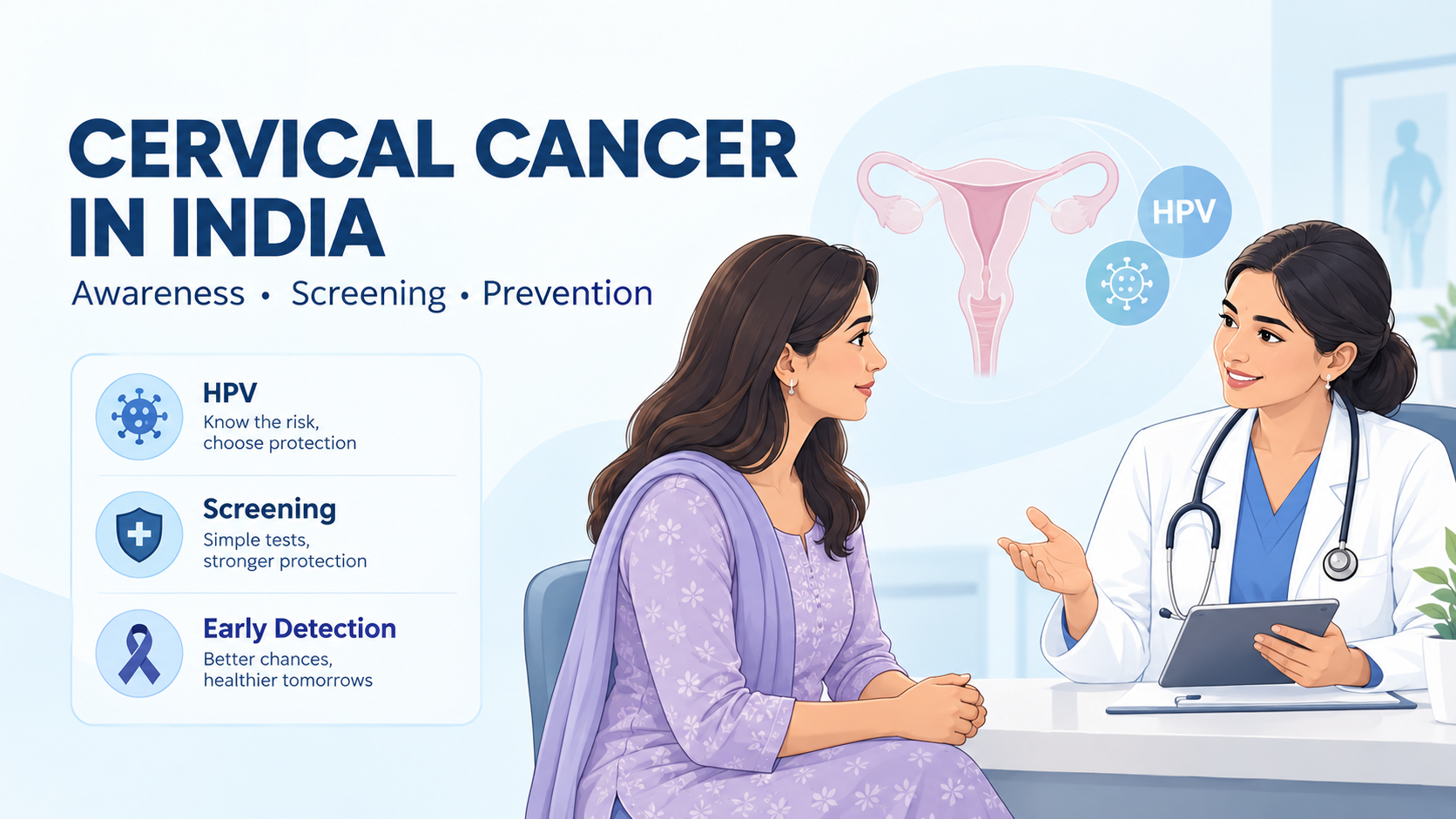
Cervical cancer in India remains a major public health concern despite being largely preventable through HPV vaccination, regular screening, early diagnosis, and timely treatment. The disease continues to affect thousands of women, with limited screening coverage and unequal access to diagnostic and treatment facilities creating significant challenges. Understanding the causes, risk factors, prevention methods, and importance of cervical cancer screening can help improve early detection and reduce the burden of this disease in India.
Cervical Cancer Risk Factors
Cervical cancer is primarily associated with persistent infection with high-risk types of Human Papillomavirus (HPV), particularly HPV 16 and 18. Several other factors can increase the risk, while limited access to regular screening can make early detection more difficult.
- HPV infection: High-risk HPV types, especially HPV 16 and 18, are responsible for over 95% of cervical cancers.
- Early marriage: Early sexual exposure can increase the risk of HPV infection.
- Multiple pregnancies: A higher number of pregnancies can contribute to increased risk.
- Tobacco use: Smoking and tobacco exposure are associated with cervical cancer risk.
- Low immunity: Reduced immune function can make it harder for the body to clear HPV infection.
- Lack of screening: Not undergoing regular cervical cancer screening can delay detection of abnormal changes.
- Limited healthcare access: Rural and underserved populations may face additional barriers to HPV screening and timely follow-up.
How Can You Prevent Cervical Cancer?
Cervical cancer is largely preventable through HPV vaccination, regular screening, early detection, and timely follow-up. Screening can help identify abnormal cervical changes before they develop into cancer, while HPV vaccination helps protect against the HPV infections that cause most cervical cancers.
- Get the HPV vaccine: HPV vaccination is an important part of cervical cancer prevention.
- Go for regular screening: Cervical cancer screening can help detect abnormal changes at an early stage.
- Do not ignore abnormal results: A positive screening result should be followed by appropriate diagnostic evaluation.
- Get timely colposcopy when advised: Colposcopy can help evaluate abnormal screening results and support diagnosis.
- Seek timely medical care: Early detection and appropriate treatment can significantly improve the management of cervical cancer.
- Improve awareness: Understanding HPV, screening, and prevention can encourage women to seek appropriate preventive care.
Can Cervical Cancer Be Cured?
Cervical cancer is treatable, particularly when it is detected early. Regular screening can identify abnormal changes before they progress, while timely diagnosis and treatment are important for managing the disease. After an abnormal screening result, further evaluation such as colposcopy may be required to confirm the diagnosis and determine the appropriate treatment.
- Early detection: Finding cervical cancer at an early stage allows treatment to begin sooner.
- Colposcopy: This examination can help evaluate abnormal screening results and support diagnosis.
- Timely treatment: Appropriate treatment should follow confirmed diagnosis.
- Regular follow-up: Women with abnormal screening results need appropriate follow-up rather than delaying further evaluation.
- Access to specialists: Trained gynaecologists and colposcopists are important for diagnosis and management.
- Do not delay care: Cervical cancer is preventable, detectable, and treatable, making timely medical attention important.
Frequently Asked Questions
What causes cervical cancer?
Persistent infection with high-risk types of Human Papillomavirus (HPV), particularly HPV 16 and HPV 18, is the primary cause of cervical cancer. Other factors can also increase the risk.
Can cervical cancer be prevented?
Yes. Cervical cancer is largely preventable through HPV vaccination, regular screening, early detection, and timely medical care.
Who should get cervical cancer screening?
The article highlights the importance of screening, particularly because limited screening coverage can delay the detection of cervical abnormalities. The specific screening age or interval is not provided in the source article.
What is the role of HPV vaccination in preventing cervical cancer?
HPV vaccination helps prevent infections with HPV types associated with cervical cancer and is an important part of cervical cancer prevention.
Can cervical cancer be cured?
Cervical cancer is treatable, especially when detected early. Timely diagnosis, appropriate treatment, and follow-up are important for managing the disease.
Take Care of Your Cervical Health Get the right guidance on cervical cancer screening, prevention, and early detection. Book a consultation with Famicare Speciality Centre, Rohini, New Delhi.
Keep reading
View all → Cancer Awareness
Complications of Cervical Cancer Treatment: What Every Patient Needs to Know
Understand the possible complications of cervical cancer treatment, including surgery, radiation, chemotherapy, immunotherapy and targeted therapy, and how they are managed.
 Preventive Oncology
Best Colposcopy in North West Delhi & Rohini: Expert Care at Famicare Speciality Centre
Comprehensive guide to Colposcopy in Rohini & North West Delhi. Learn why expert evaluation is crucial for cervical health and preventive oncology led by Dr. Sujata Mittal.
 Pap smear
PAP Smear: What Every Woman Should Know
A PAP smear is a quick screening test that checks the cervix (the lower part of the uterus) for abnormal cell changes — changes that, if left unnoticed, can slowly progress to cerv…