
Gynecologic Oncologist vs Gynecologist: Why the Difference Matters
Excerpt (auto from intro) 1–2 sentences shown on the blog grid Intro paragraph

In India, many women continue to rely on the same obstetrician-gynecologist who has supported them through pregnancy, childbirth, menstrual concerns, and routine gynecological care. That trust is understandable and well deserved. However, when cancer is suspected, the level of expertise required is different. A gynecologic oncologist is specially trained to prevent, diagnose, and treat cancers of the female reproductive system, including cervical, uterine, ovarian, fallopian tube, vaginal, and vulval cancers. Understanding when to move from routine gynecological care to specialized cancer care can make an important difference in diagnosis, treatment planning, and outcomes.
Who Is a Gynecologic Oncologist and How Is Their Training Different?
A Gynecologic Oncologist is a doctor who has completed a full postgraduate degree (MS or DNB) in Obstetrics and Gynecology and then undergone additional highly specialized training focused entirely on the prevention, diagnosis, and treatment of cancers arising from the female reproductive system. These include cancers of the cervix, uterus (endometrium), ovaries, fallopian tubes, vagina, and vulva. A gynecologic oncologist first completes the same MS or DNB in Obstetrics and Gynecology and then receives additional dedicated training in Gynecologic Oncology. In India, this may include a three-year MCh in Gynecologic Oncology, a three-year DrNB program, or a one-to-two-year fellowship through recognized training pathways. This additional training goes far beyond a standard Obstetrics and Gynecology program. It focuses specifically on the complex surgical, diagnostic, and treatment needs associated with gynecologic cancers. “Gynecologic Oncologist” is not simply a title that any doctor can adopt; it represents a formally structured and supervised specialist training pathway.
Why Gynecologic Cancer Surgery Requires Specialized Expertise
Cancer surgery is not the same as routine gynecological surgery. In a study of more than 3,000 ovarian cancer patients, those operated on by gynecologic oncologists had a 15% lower risk of death than those treated by general surgeons. In early-stage ovarian cancer, the required lymph node dissection was performed in 60% of cases by gynecologic oncologists, compared with 36% by general gynecologists and 16% by general surgeons. In advanced ovarian cancer, gynecologic oncologists achieved optimal debulking in 58% of cases, compared with 51% for general gynecologists and 40% for general surgeons. A radical hysterectomy for cervical cancer is also fundamentally different from a routine hysterectomy. It involves removal of the uterus along with the parametria, upper vagina, supporting ligaments, and systematic pelvic lymph node dissection. When this surgery is performed without the required specialized training, it can result in inadequate surgical margins, ureteric injury, bladder fistula, bleeding, and understaging. Understaging can change the treatment plan and may lead to inappropriate cancer management. The distinction is therefore not minor. Cancer surgery requires specialized training, precise oncological decision-making, and experience with complex procedures that go beyond routine gynecological surgery.
When Should Women in India See a Gynecologic Oncologist?
In India, many women continue to rely on their obstetrician-gynecologist for every gynecological concern because of the trust built over years of care. However, when cancer is suspected or diagnosed, it is important to understand the role of a Gynecologic Oncologist and seek specialist evaluation. India recorded 2,25,956 new cases of female genital cancers in 2020, with more than 70% diagnosed at an advanced stage, while the shortage of trained gynecologic oncologists makes timely specialist referral even more important. Women should know the warning signs of gynecologic cancers. These can include abnormal vaginal bleeding, bleeding after menopause, persistent or unusual vaginal discharge, pelvic or abdominal pain, pain during intercourse, persistent bloating, feeling full quickly, frequent urination, unexplained fatigue or weight loss, changes in bowel habits, vulval itching or a non-healing sore, and a vaginal lump. Early cervical cancer may have no symptoms, which is why regular screening is important. Women should not ignore new or persistent gynecological symptoms, especially after menopause. Regular screening, timely referral to a gynecologic oncologist when cancer is suspected, and a second opinion before complex surgery can help women make informed decisions about their care. Knowing the difference between a regular obstetrician-gynecologist and a Gynecologic Oncologist in Delhi or elsewhere can be an important step toward receiving appropriate specialist cancer care.
Have questions? Talk to our doctors.
Keep reading
View all → Cancer Awareness
Preventing Cervical Cancer in India | Pap Smear & Colposcopy
Learn how cervical cancer prevention in India can be strengthened through regular cervical cancer screening, Pap smear testing, colposcopy, and timely cervical cancer treatment for preinvasive disease.
 Cancer Awareness
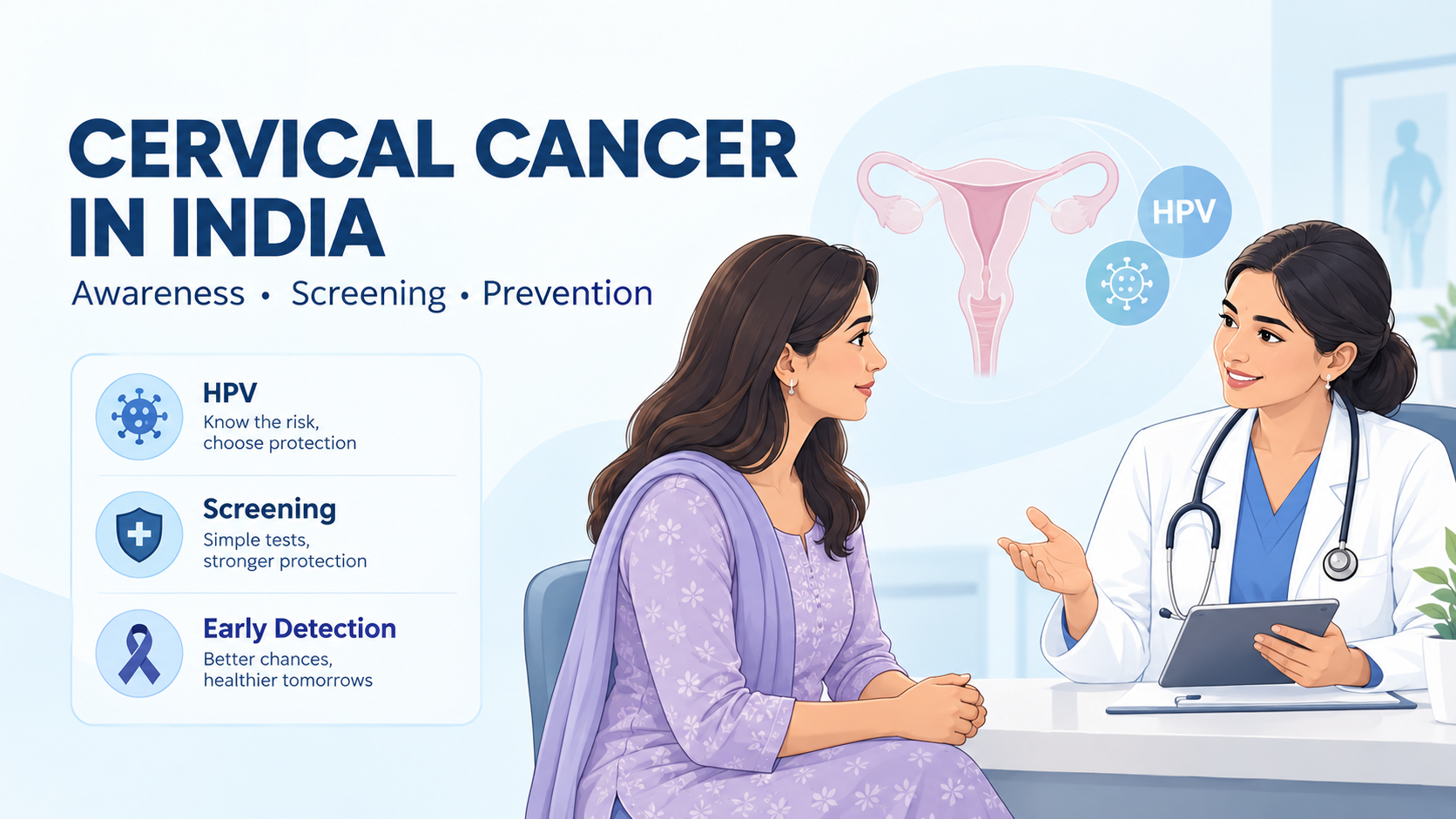
Cervical cancer in India: Challenging but controlable
Cervical cancer in India remains a major public health concern despite being largely preventable through HPV vaccination, regular screening, early diagnosis, and timely treatment.
 Preventive Oncology
Best Colposcopy in North West Delhi & Rohini: Expert Care at Famicare Speciality Centre
Comprehensive guide to Colposcopy in Rohini & North West Delhi. Learn why expert evaluation is crucial for cervical health and preventive oncology led by Dr. Sujata Mittal.