
Targeted Therapy for Breast Cancer: Latest Treatments
Targeted therapy for breast cancer is a modern treatment approach that focuses on specific proteins, genes, or molecular changes that help cancer cells grow and spread.
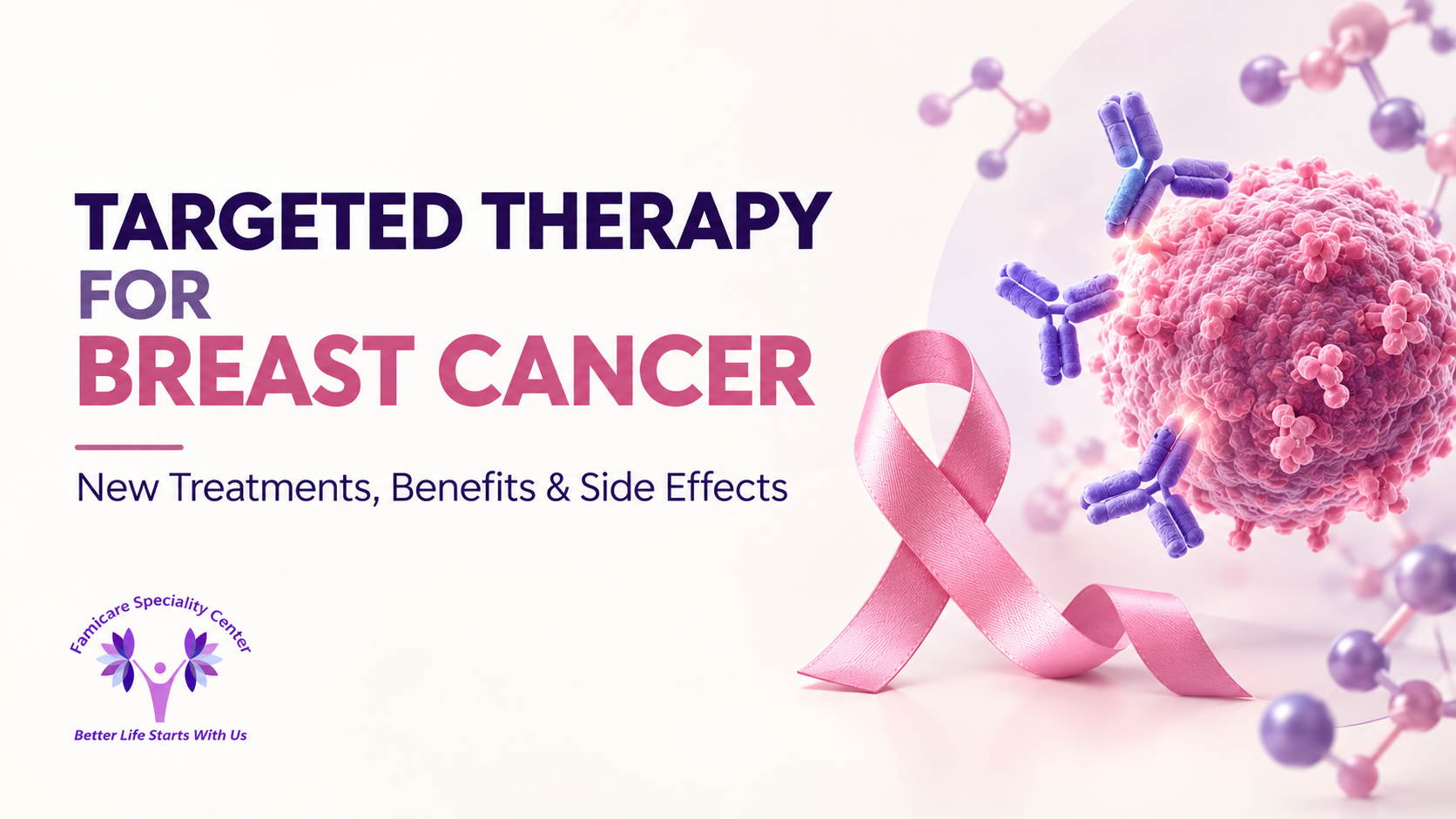
Targeted therapy for breast cancer is a modern treatment approach that focuses on specific proteins, genes, or molecular changes that help cancer cells grow and spread. Unlike traditional chemotherapy, these treatments are designed to target particular cancer-related pathways. Depending on the cancer type and biopsy or molecular test results, treatment may include HER2-targeted drugs, CDK4/6 inhibitors, PARP inhibitors, or immunotherapy. Understanding the available options, potential benefits, and side effects can help patients make informed decisions with their oncologist.
How Targeted Therapy Works for Breast Cancer
Targeted therapy for breast cancer focuses on specific proteins, genes, or molecular pathways that help cancer cells grow. Doctors use biopsy and molecular test results to identify which treatments may be suitable for each patient. Unlike traditional chemotherapy, targeted drugs are designed to act on particular cancer-related mechanisms, although they can still cause side effects.
Types of Targeted Breast Cancer Treatments
Treatment depends on the breast cancer subtype and its molecular characteristics. HER2-targeted drugs help treat HER2-positive cancers, while CDK4/6 inhibitors are used for certain hormone receptor-positive cancers. PARP inhibitors may benefit patients with specific BRCA mutations, and other medicines target changes in pathways such as PIK3CA and AKT. For selected triple-negative breast cancers, immunotherapy and antibody-drug conjugates may also be treatment options.
Benefits, Side Effects, and What to Expect
Targeted therapies can help control cancer, delay disease progression, and reduce the risk of recurrence in selected patients. However, side effects may include fatigue, nausea, diarrhoea, low blood cell counts, liver problems, or other treatment-specific complications. Regular monitoring helps doctors identify and manage these issues early. Patients should discuss treatment benefits, potential risks, costs, and the availability of biosimilar or generic medicines in India with their oncologist before starting treatment.
Consult Dr. Sujata Mittal at Famicare Speciality Centre, Rohini, New Delhi, to explore targeted therapy options for breast cancer. Book Your Consultation Today.
Keep reading
View all → Breast Cancer
Breast Cancer Worldwide: Rates, Risks & Treatment Evolution
Breast cancer is now the most common cancer in women, with 2.3 million diagnoses in 2022. See which countries are hit hardest, why India records the most deaths, and how treatment has changed.
 Preventive Oncology
Best Colposcopy in North West Delhi & Rohini: Expert Care at Famicare Speciality Centre
Comprehensive guide to Colposcopy in Rohini & North West Delhi. Learn why expert evaluation is crucial for cervical health and preventive oncology led by Dr. Sujata Mittal.
 Cancer Awareness
Women Gynaecologic Oncologist: Why Specialist Care Matters
A woman gynaecologic oncologist brings specialised expertise in women’s cancer care while also understanding the personal concerns surrounding fertility, menopause, sexuality, body image and treatment. Learn why choosing the right specialist can make a difference in diagnosis, surgery and cancer care.