
The Complete HPV Vaccination Guide for Indian Women
Cervical cancer kills one Indian woman every 8 minutes · yet it is nearly 100% preventable. Here is the vaccine playbook every family should own.

Cervical cancer kills a woman in India every 8 minutes · yet it is almost entirely preventable through HPV vaccination. Despite this, uptake in India remains under 5%. This guide, prepared by Dr. Sujata Mittal · a pioneer of comprehensive cervical cancer care in North India with over 30 years of experience and a lead surgeon in more than 2,000 cervical cancer procedures · gives you the honest, evidence-based information Indian women and parents need to make a confident decision about HPV vaccination.
What Is HPV and Why Should You Care?
Human Papillomavirus (HPV) is a family of over 200 viruses. Around 14 of them are classified as high-risk · and just two strains (HPV 16 and 18) cause 70% of all cervical cancers, plus a growing share of oral, throat, anal and vulvar cancers. HPV is spread through skin-to-skin contact, and at least 80% of sexually active adults will contract it at some point. In most people the immune system clears the virus. In a minority, it lingers and slowly transforms cervical cells into cancer over 10-20 years.
How Effective Is the HPV Vaccine?
- Nearly 100% protection against HPV 16 and 18 when given before exposure
- Reduces overall cervical cancer risk by up to 90%
- Countries with strong HPV vaccination programs (UK, Australia) are now on track to eliminate cervical cancer within one generation
- Cross-protection against several other high-risk strains as well
Who Should Get Vaccinated · and When?
The Indian Academy of Pediatrics and WHO recommend HPV vaccination for all girls aged 9-14 years as the priority group · this is when the immune response is strongest and exposure is least likely. Two doses, six months apart, are sufficient at this age. Between 15 and 26, three doses are needed. Women up to age 45 can still benefit meaningfully, especially if they have had limited prior exposure. Boys are also increasingly recommended, both to protect themselves from oral and anal cancers and to reduce transmission.
Which Vaccine Should You Choose in India?
- Cervavac · India's indigenous quadrivalent vaccine (approved 2022), affordable and widely available
- Gardasil 4 · quadrivalent, covers HPV 6, 11, 16, 18
- Gardasil 9 · nonavalent, covers 9 strains and offers the broadest protection
- All three are safe and effective; choice depends on availability, budget and age
Common Concerns Answered Honestly
Parents often ask whether the vaccine encourages early sexual activity · large studies from multiple countries show no such effect. Side effects are almost always minor: a sore arm, mild fever, occasional dizziness. Serious reactions are exceedingly rare. Fertility is completely unaffected · in fact, protecting the cervix protects future fertility by avoiding surgical treatments for pre-cancerous lesions.
Why Dr. Sujata Mittal Is a Leading Voice on Cervical Cancer
Dr. Sujata Mittal has spent three decades treating the very cancers that HPV vaccination now prevents. She has led radical hysterectomies, fertility-preserving trachelectomies, and complex pelvic exenterations for advanced cervical cancer at premier institutions including AIIMS and Rajiv Gandhi Cancer Institute. Her clinic at Famicare Speciality Center offers not only vaccination but full colposcopy, LEEP, and pre-cancer management under one roof · a rare combination in North India.
Frequently Asked Questions
My daughter is only 10 · isn't this too early?
9-14 is exactly the recommended age. The vaccine works best when given before any possible HPV exposure and when the immune system produces the strongest antibody response.
I am 32 and married · is it too late?
No. Vaccination is approved up to age 45 in India and still offers meaningful protection, especially against strains you have not yet been exposed to. A quick screening with your gynaecologist is usually all that is needed before starting.
Do I still need Pap smears after vaccination?
Yes · the vaccine covers most but not all cancer-causing strains. Continue routine cervical screening (Pap smear or HPV DNA test) every 3-5 years as advised by your doctor.
How much does the HPV vaccine cost in India?
Cervavac is priced around Rs. 2,000 per dose. Gardasil 9 is significantly higher, around Rs. 8,000-11,000 per dose. Famicare offers all approved options and can guide you on what fits your child's age and your budget.
Where can I get the HPV vaccine in Delhi NCR?
HPV vaccination · including counselling by Dr. Sujata Mittal · is available directly at Famicare Speciality Center, Sector 7, Rohini. Walk-in or call +91-9625361613 to schedule.
Protect your daughter · or yourself · from cervical cancer today. Book an HPV vaccination slot at Famicare Speciality Center.
Keep reading
View all →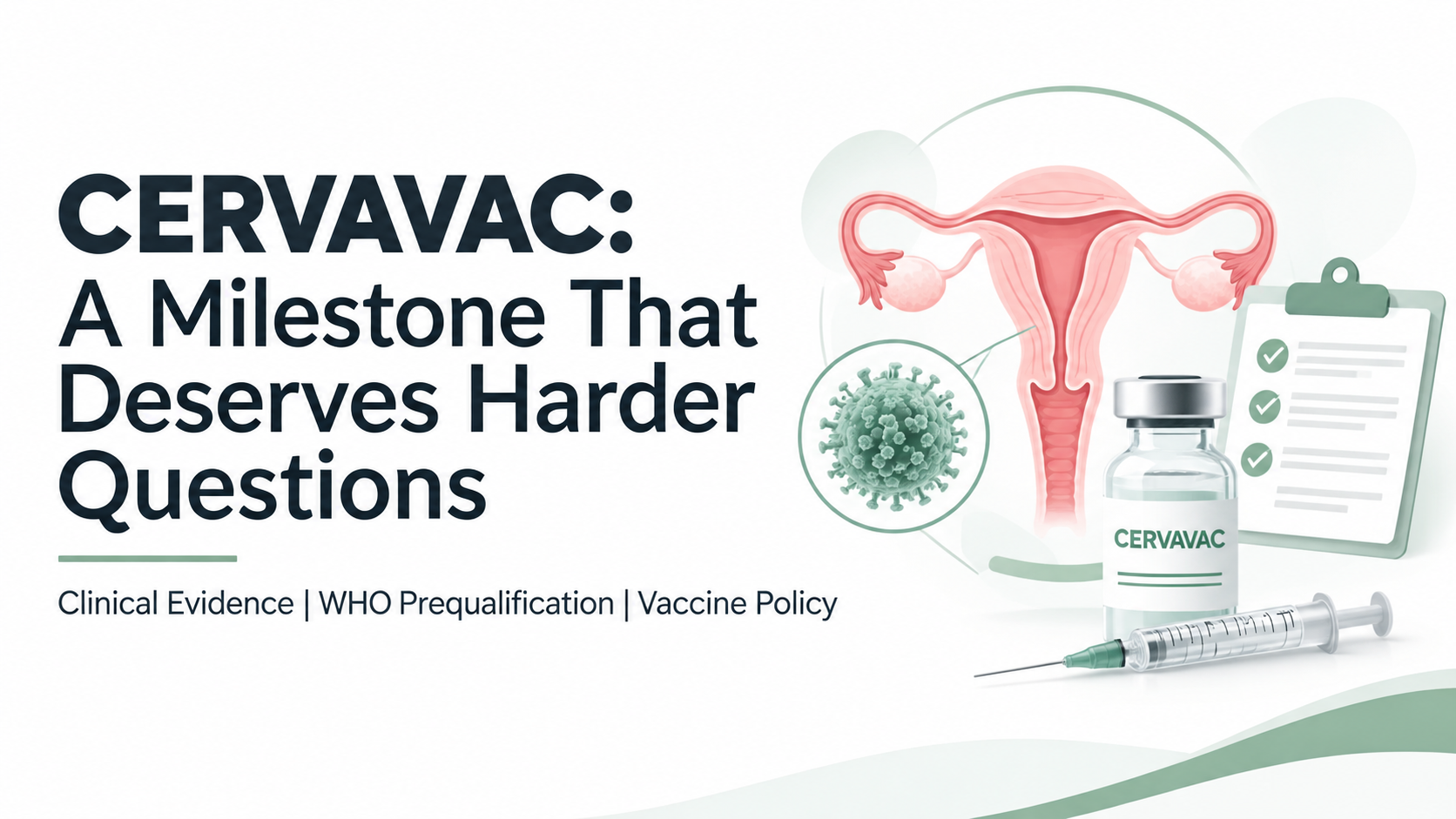 Cancer Awareness
CERVAVAC: Evidence, WHO Prequalification & Vaccine Policy
India’s first indigenous HPV vaccine, CERVAVAC, receiving WHO prequalification marks an important milestone in preventive oncology.
 Cancer Awareness
Breast Cancer & Liquid Biopsy in Rohini, Delhi
Breast cancer is not always limited to the breast. Cancer cells can spread through the blood and lymphatic system, making systemic treatment essential for reducing the risk of recu…
 Cancer Awareness
Targeted Therapy for Breast Cancer: Latest Treatments
Targeted therapy for breast cancer is a modern treatment approach that focuses on specific proteins, genes, or molecular changes that help cancer cells grow and spread.