
HPV Vaccine: What the Evidence Shows — Efficacy, Registry Data & Informed Decisions
What does high-quality, long-term registry data reveal about the HPV vaccine? An objective, evidence-grounded analysis of cancer reduction, safety, and informed consent.
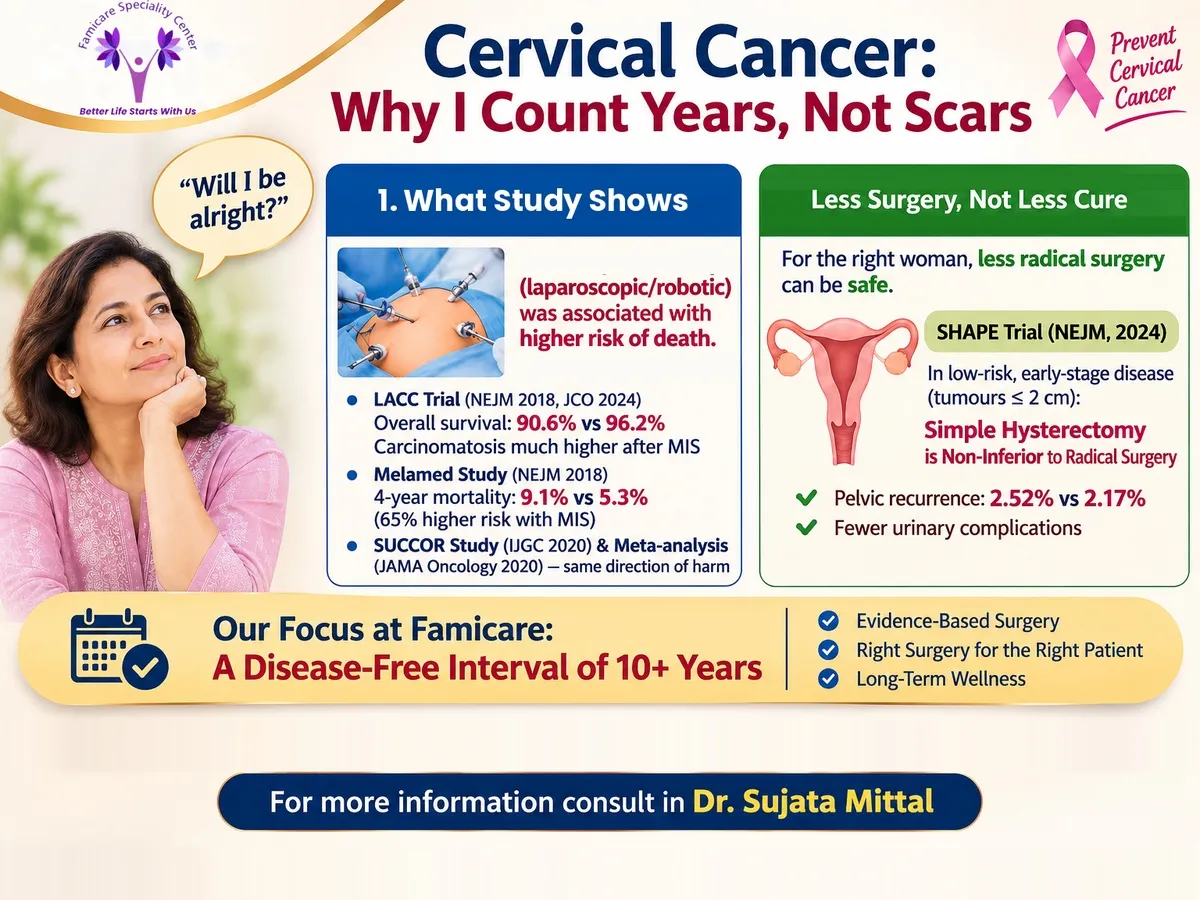
Key Takeaways
- Nationwide cohort data from the UK, Sweden, and Denmark demonstrate dramatic reductions (over 85-90%) in invasive cervical cancer when administered in early adolescence.
- Global post-marketing surveillance systems (WHO GACVS, EMA, CDC) have evaluated hundreds of millions of doses, confirming robust safety profiles.
- Observational studies must be interpreted acknowledging methodological factors such as the healthy vaccinee effect.
- Open, transparent dialogue between clinicians and families fosters informed, evidence-guided choices.
Human Papillomavirus (HPV) vaccination stands as one of the most visible public health interventions targeting cancer prevention. In India, where cervical cancer claims tens of thousands of women’s lives annually, understanding the real-world efficacy, national registry data, and ongoing safety surveillance of HPV vaccines is essential for families making informed healthcare choices.
Population-Level Cancer Prevention Data
Over fifteen years of global clinical observation have provided robust data regarding the efficacy of prophylactic HPV vaccination. Large national registries—particularly in countries with high baseline coverage like the United Kingdom, Sweden, and Australia—demonstrate dramatic reductions in high-grade cervical pre-cancers (CIN2/3) and invasive cervical carcinoma among cohorts vaccinated before age 17. In the UK, registry data published in The Lancet documented an 87% reduction in cervical cancer rates among young women who received the bivalent vaccine between ages 12 and 13 compared to unvaccinated historical controls. These real-world outcomes confirm that preventing persistent oncogenic HPV 16 and 18 infections fundamentally interrupts the carcinogenic progression toward invasive cancer.
- Near-total eradication of high-grade lesions (CIN3) when administered prior to sexual debut.
- Substantial herd immunity protection observed in populations with >70% coverage.
- Protects against the high-risk HPV types responsible for over 70–80% of cervical cancers globally.
Safety Surveillance & Rigorous Scrutiny
Safety surveillance for HPV vaccines represents one of the most comprehensive monitoring endeavors in modern medicine, with over 500 million doses distributed worldwide. The World Health Organization (WHO) Global Advisory Committee on Vaccine Safety (GACVS) systematically reviews global pharmacovigilance reports on an ongoing basis. Most reported adverse events following immunization (AEFI) are mild, localized, and transient, including injection-site soreness, mild erythema, low-grade pyrexia, and vasovagal syncope (fainting common among adolescents receiving injections). Extensive cohort analyses have evaluated potential links to complex conditions such as Postural Orthostatic Tachycardia Syndrome (POTS), Complex Regional Pain Syndrome (CRPS), and autoimmune disorders, consistently finding incidence rates equivalent to unexposed baseline populations.
- Post-vaccination 15-minute observation period recommended to manage vasovagal syncope.
- Repeated international safety reviews affirm an exceptionally favorable benefit-risk profile.
- Transparent, accountable Adverse Event Following Immunization (AEFI) reporting strengthens public trust.
Vaccination Does Not Replace Cervical Cancer Screening
A critical clinical principle that must be reinforced to every patient and family is that HPV vaccination does not replace regular cervical cancer screening. While current vaccines protect against 2, 4, or 9 oncogenic HPV strains, other high-risk strains (such as HPV 35, 39, 51, and 56) can occasionally cause pre-cancerous dysplasia. Furthermore, women vaccinated after the onset of sexual activity may have been previously exposed to an oncogenic strain not prevented retroactively. Therefore, regular cervical cytology (Pap Smear), High-Risk HPV DNA testing, and diagnostic Colposcopy starting at age 25 to 30 remain indispensable life-saving measures throughout a woman’s reproductive and post-menopausal years.
- Dual strategy: Vaccination prevents infection; routine screening detects pre-cancers early.
- Colposcopy and HPV DNA testing provide vital secondary prevention.
- Vaccinated women should maintain the standard recommended screening intervals.
Fostering Informed Partnerships at Famicare Speciality Center
At Famicare Speciality Center, Dr. Sujata Mittal—Senior Gynecologic Oncologist and master colposcopist—advocates for open, respectful, and science-grounded doctor-patient communication. We believe that true preventive medicine thrives on informed partnership, where questions regarding dosing schedules, vaccine choice, efficacy, and screening protocols are answered with clarity. Whether you are seeking advice on adolescent vaccination or looking to establish a comprehensive cervical screening schedule with Pap smears and colposcopy, our specialized clinic in Rohini, Delhi, is here to support you. Contact us directly to book an appointment.
- Personalized preventive counseling for adolescents and adult women.
- Full diagnostic screening suite: Pap Smear, HPV DNA, and High-Resolution Colposcopy.
- Connect with Famicare Speciality Center, Rohini, Delhi at +91 96253 61613.
Frequently Asked Questions
Does getting the HPV vaccine eliminate the need for cervical screening?
No. Routine screening via Pap smear and colposcopy remains essential because current vaccines protect against high-risk oncogenic types (such as 16 and 18) but not all viral variants.
What are the most common reported side effects?
The most frequent reactions are mild and transient: localized injection site soreness, low-grade fever, or brief post-injection lightheadedness.
References
Have questions? Talk to our doctors.
Related Articles & Latest Clinical Guides
Continue exploring evidence-based oncology, cervical cancer prevention, and wellness insights.
 Gynecologic Oncology
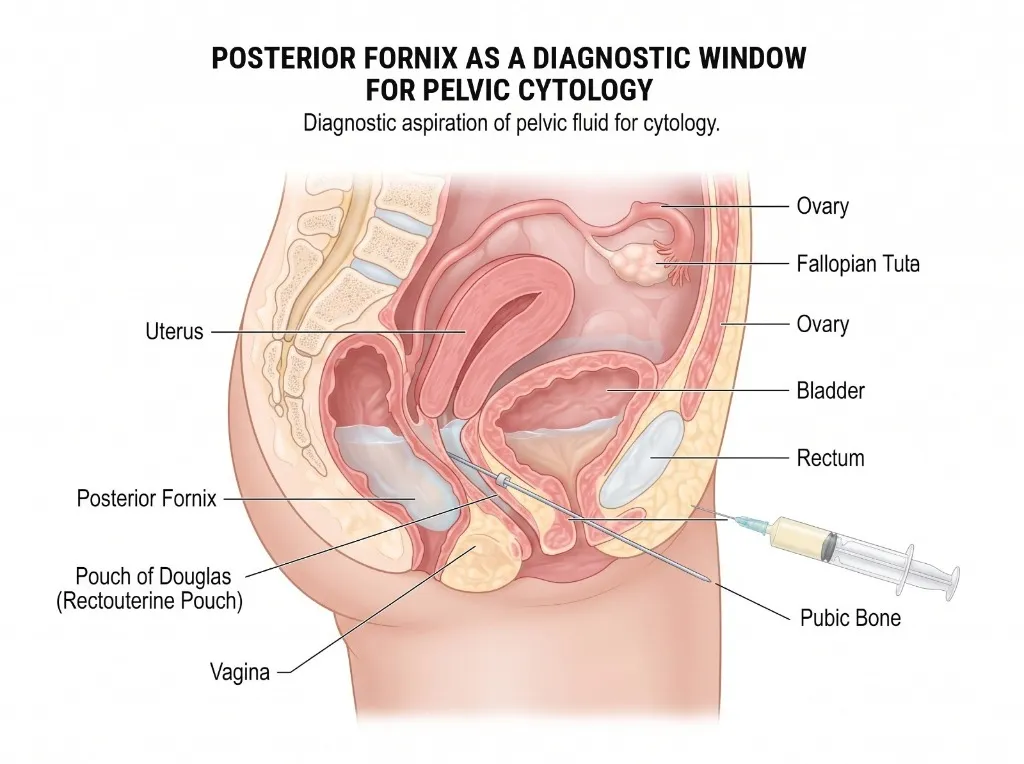
The Posterior Fornix as a Diagnostic Window: Promise—and Limits—of Pelvic Cytology
The posterior fornix offers direct anatomical access to the pouch of Douglas. Can pelvic fluid aspiration reliably detect early ovarian cancer, endometriosis, and pelvic disease? An objective review of the promise and clinical limits of pelvic cytology.
 Integrative Medicine
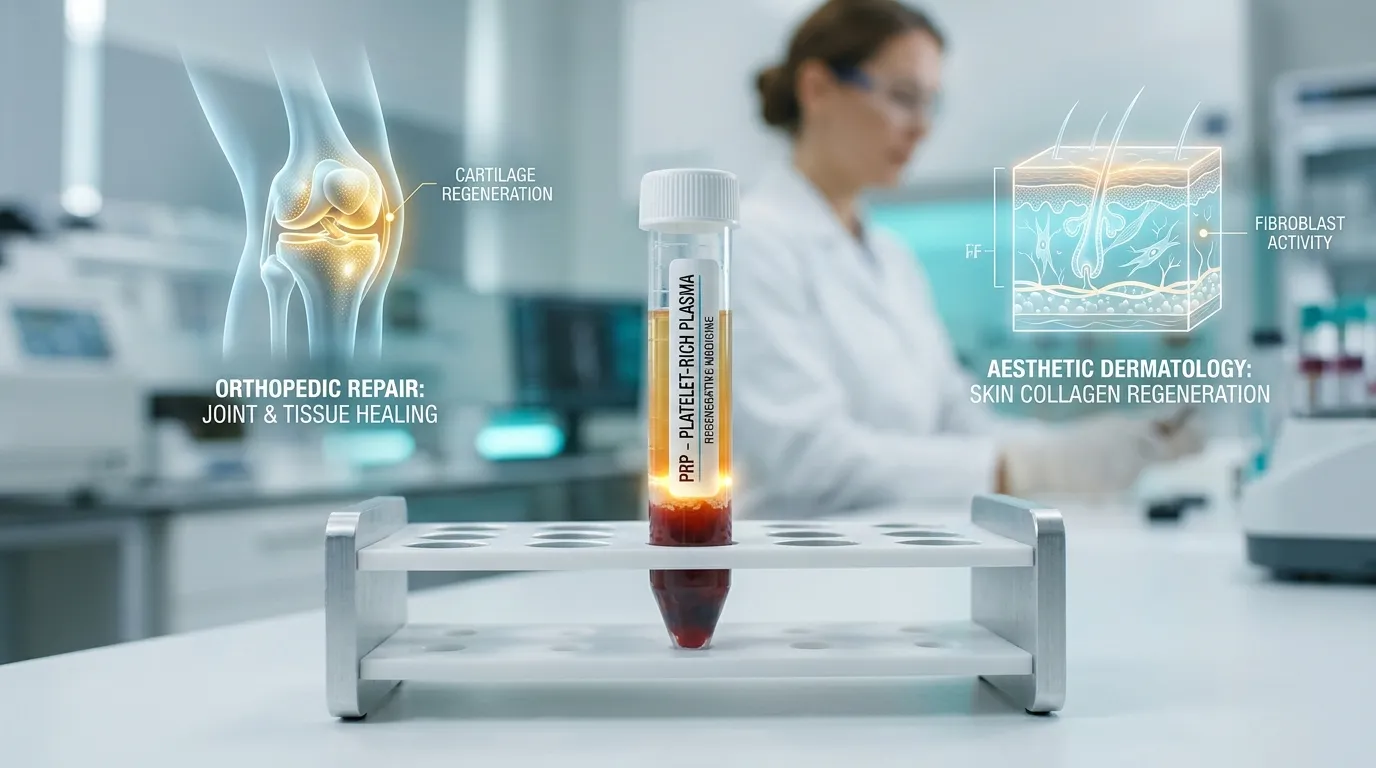
PRP Therapy: Clinical Uses, Healing Mechanisms and Evidence-Based Benefits
From joint pain and wound healing to reproductive medicine and dermatology, discover the scientifically verified mechanisms and clinical applications of autologous PRP therapy.
 Integrative Medicine
PRP in Recurrent Pregnancy Loss: Evidence, Receptivity and Expectations
Can intrauterine Platelet-Rich Plasma (PRP) improve uterine receptivity after repeated pregnancy losses? Here is what current clinical evidence and reproductive biology actually show.