
PRP Therapy: Clinical Uses, Healing Mechanisms and Evidence-Based Benefits
From joint pain and wound healing to reproductive medicine and dermatology, discover the scientifically verified mechanisms and clinical applications of autologous PRP therapy.
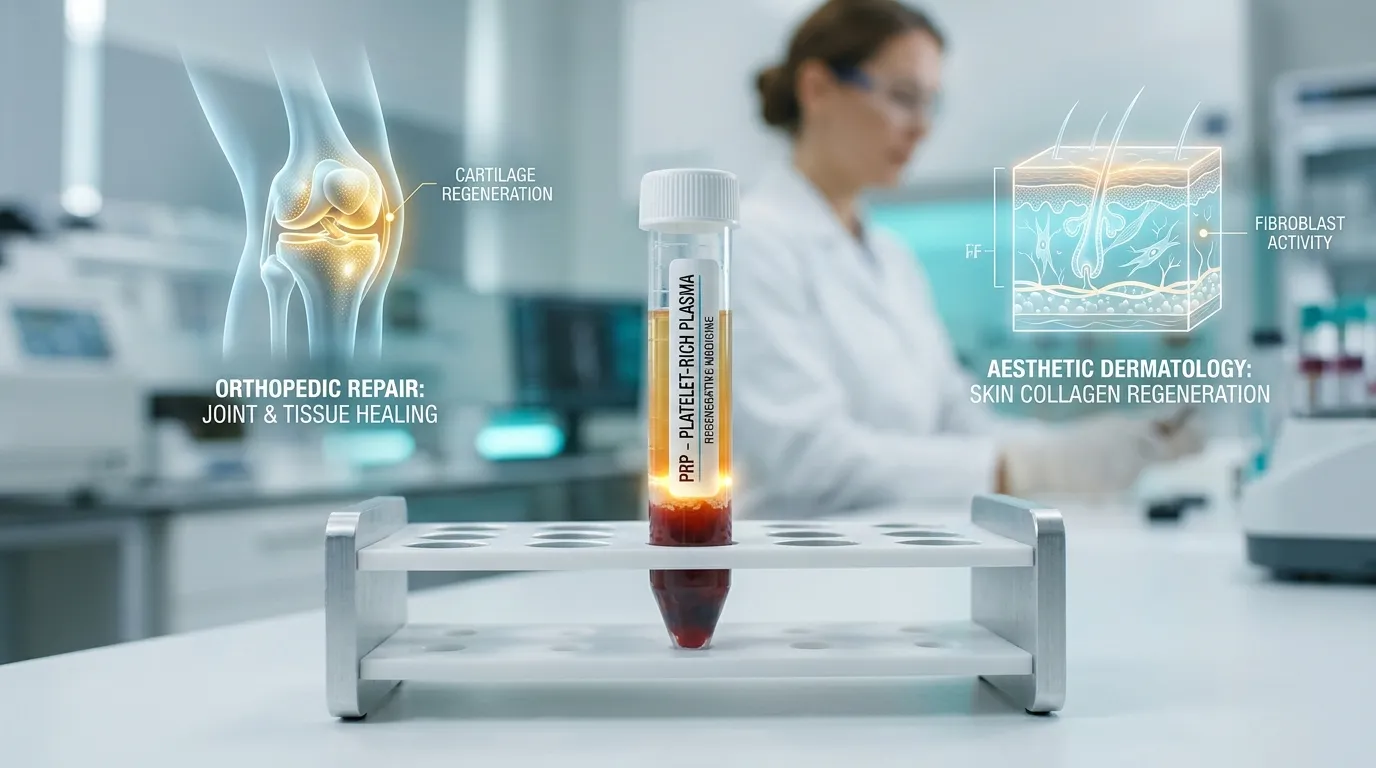
Key Takeaways
- PRP relies on autologous platelets to release restorative growth factors (PDGF, VEGF, TGF-β).
- Common applications span knee osteoarthritis, chronic tendonitis, androgenic alopecia, and refractory skin ulcers.
- Treatment involves minimal downtime with negligible allergy risk since patient's own blood is utilized.
- Results vary between individuals; multiple sequential sessions are typically required for cumulative tissue remodeling.
Platelet-Rich Plasma (PRP) therapy has transitioned from elite sports medicine into a widely utilized regenerative clinical tool across orthopedics, wound care, dermatology, and reproductive medicine. By harnessing the concentrated healing power of an individual’s own blood platelets, PRP facilitates cellular repair, tissue remodeling, and accelerated healing without the risks associated with synthetic pharmaceuticals or foreign biological implants.
How PRP Is Prepared and Administered
The preparation of PRP is a rapid, point-of-care procedure conducted under strict aseptic conditions. A small volume of peripheral blood (typically 20 to 60 mL) is drawn from the patient into sterile tubes containing an anticoagulant. The sample is subjected to precise, temperature-controlled centrifugation. This process stratifies the blood into distinct layers: red blood cells at the bottom, platelet-poor plasma (PPP) at the top, and a concentrated "buffy coat" rich in platelets and active leukocytes. The platelet concentrate is carefully harvested, yielding 3 to 7 times the baseline platelet count. Once activated, these platelets immediately degranulate, releasing critical growth factors (PDGF, TGF-β, VEGF, EGF, and IGF-1) directly at the targeted anatomical site of injury or regeneration.
- Completely autologous: virtually zero risk of immunological rejection, allergy, or disease transmission.
- Minimally invasive outpatient procedure requiring 30–45 minutes total.
- Provides concentrated physiological signaling factors directly to poorly vascularized tissues.
Musculoskeletal & Orthopedic Indications
Orthopedics was among the first specialties to validate PRP through rigorous clinical trials. Tendons and articular cartilage possess notoriously poor natural blood supply, making spontaneous recovery from chronic degeneration or tears slow and difficult. Clinical indications with strong evidence include early-to-moderate osteoarthritis of the knee, lateral epicondylitis (tennis elbow), plantar fasciitis, and chronic Achilles tendinopathy. PRP injections suppress intra-articular inflammatory cascades, down-regulate matrix metalloproteinases that degrade cartilage, and stimulate chondrocyte proliferation to deliver sustained pain relief and improved joint mobility lasting up to 12 months.
- Significantly improves Western Ontario and McMaster Universities Osteoarthritis Index (WOMAC) scores.
- Reduces dependence on oral NSAIDs and delays the need for invasive surgical interventions.
- Best results observed in Grade 1 to Grade 3 knee osteoarthritis.
Dermatological, Wound Healing & Reproductive Applications
Beyond musculoskeletal conditions, PRP has demonstrated clinical efficacy in dermatology, wound healing, and gynecology: 1. Androgenetic Alopecia: Subdermal scalp micro-injections stimulate dermal papilla cells, prolong the anagen (growth) phase of hair follicles, and reverse miniaturization to improve hair density and caliber. 2. Chronic & Diabetic Wounds: In recalcitrant diabetic ulcers and non-healing surgical incisions, PRP topical gels promote rapid epithelialization and granulation tissue formation. 3. Uterine & Ovarian Medicine: In reproductive gynecology, intrauterine PRP infusion aids in refractory thin endometrium and recurrent implantation failure, while intra-ovarian administration is being actively researched for poor ovarian reserve.
- Effective adjuvant in chronic non-healing wound management.
- Scientifically substantiated for male and female pattern hair thinning.
- Emerging role in regenerative gynecology and tissue repair.
Realistic Clinical Expectations & Expert Guidance
While PRP therapy is a remarkably versatile biological tool, it is not an overnight cure. Healing is mediated through biological cascades that take 3 to 6 weeks to manifest clinically, with optimal benefits often requiring a series of 2 to 3 sessions spaced a few weeks apart. Patient selection and standardization of preparation are crucial. At Famicare Speciality Center, we emphasize precise diagnosis, transparent patient education, and medical-grade preparation standards. For consultations or clinical assessments regarding regenerative PRP therapies, contact our specialist team in Rohini, Delhi.
- Gradual, biological improvement over weeks rather than instantaneous drug effect.
- Avoid anti-inflammatory medications (NSAIDs) for 1 week before and after the procedure.
- Consult Famicare Speciality Center, Rohini, New Delhi at +91 96253 61613 for comprehensive evaluation.
Frequently Asked Questions
How many PRP sessions are generally needed?
Most clinical treatment plans involve 2 to 4 sessions spaced 3 to 6 weeks apart, followed by maintenance evaluations.
Is there downtime following a PRP injection?
Downtime is minimal. Patients may experience mild localized soreness or swelling for 24-48 hours, which resolves spontaneously.
References
Have questions? Talk to our doctors.
Related Articles & Latest Clinical Guides
Continue exploring evidence-based oncology, cervical cancer prevention, and wellness insights.
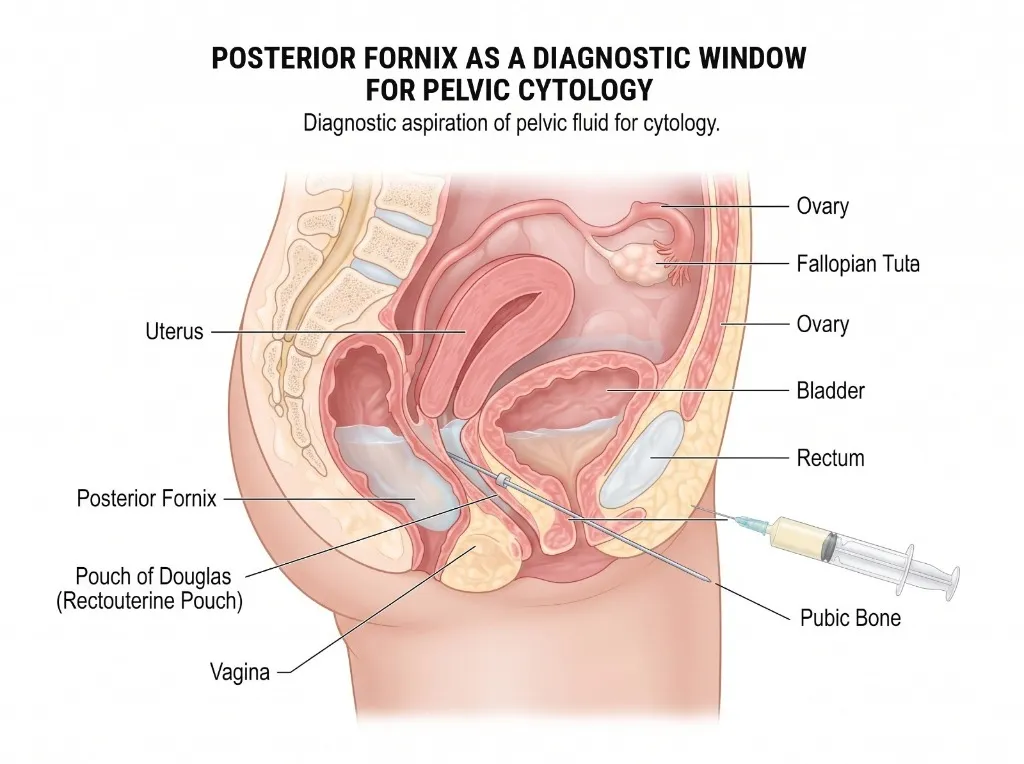 Gynecologic Oncology
The Posterior Fornix as a Diagnostic Window: Promise—and Limits—of Pelvic Cytology
The posterior fornix offers direct anatomical access to the pouch of Douglas. Can pelvic fluid aspiration reliably detect early ovarian cancer, endometriosis, and pelvic disease? An objective review of the promise and clinical limits of pelvic cytology.
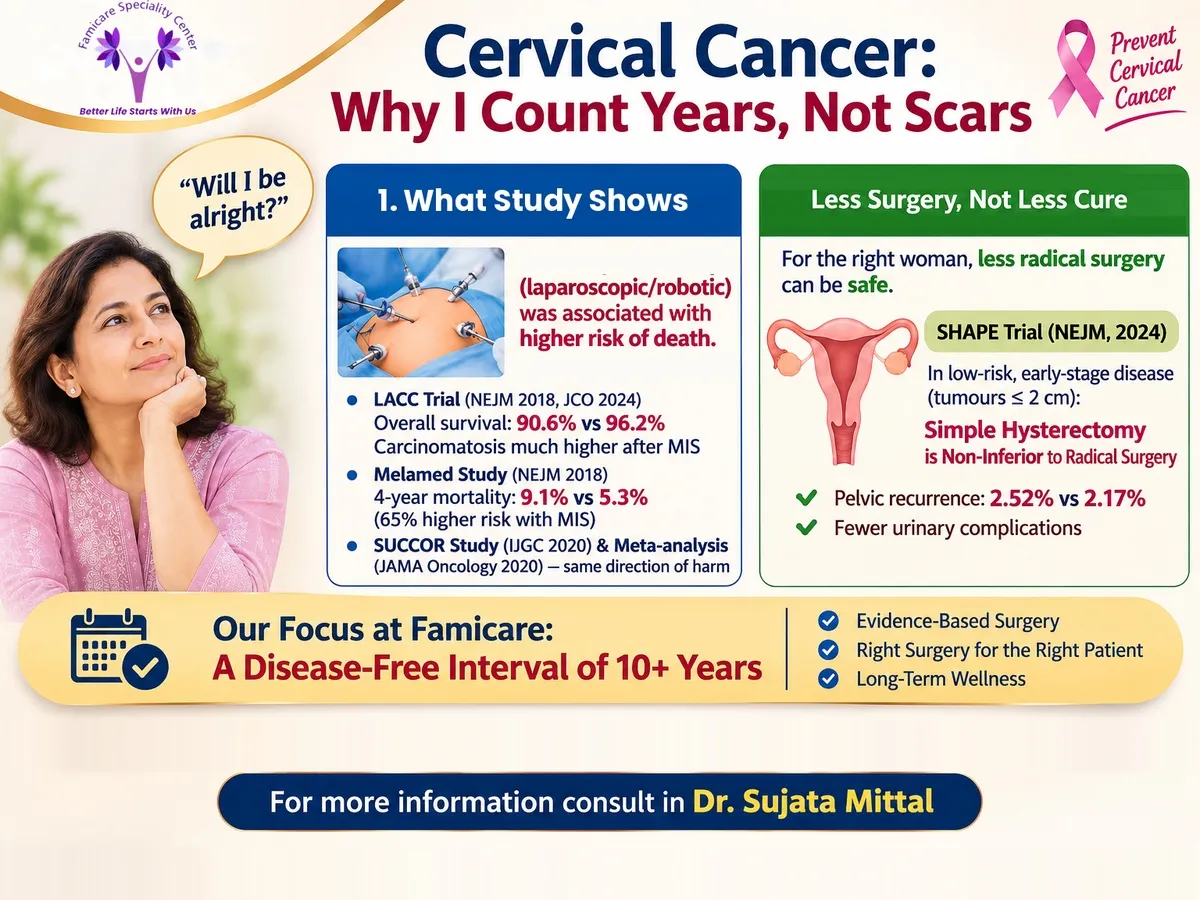 Cancer Awareness
HPV Vaccine: What the Evidence Shows — Efficacy, Registry Data & Informed Decisions
What does high-quality, long-term registry data reveal about the HPV vaccine? An objective, evidence-grounded analysis of cancer reduction, safety, and informed consent.
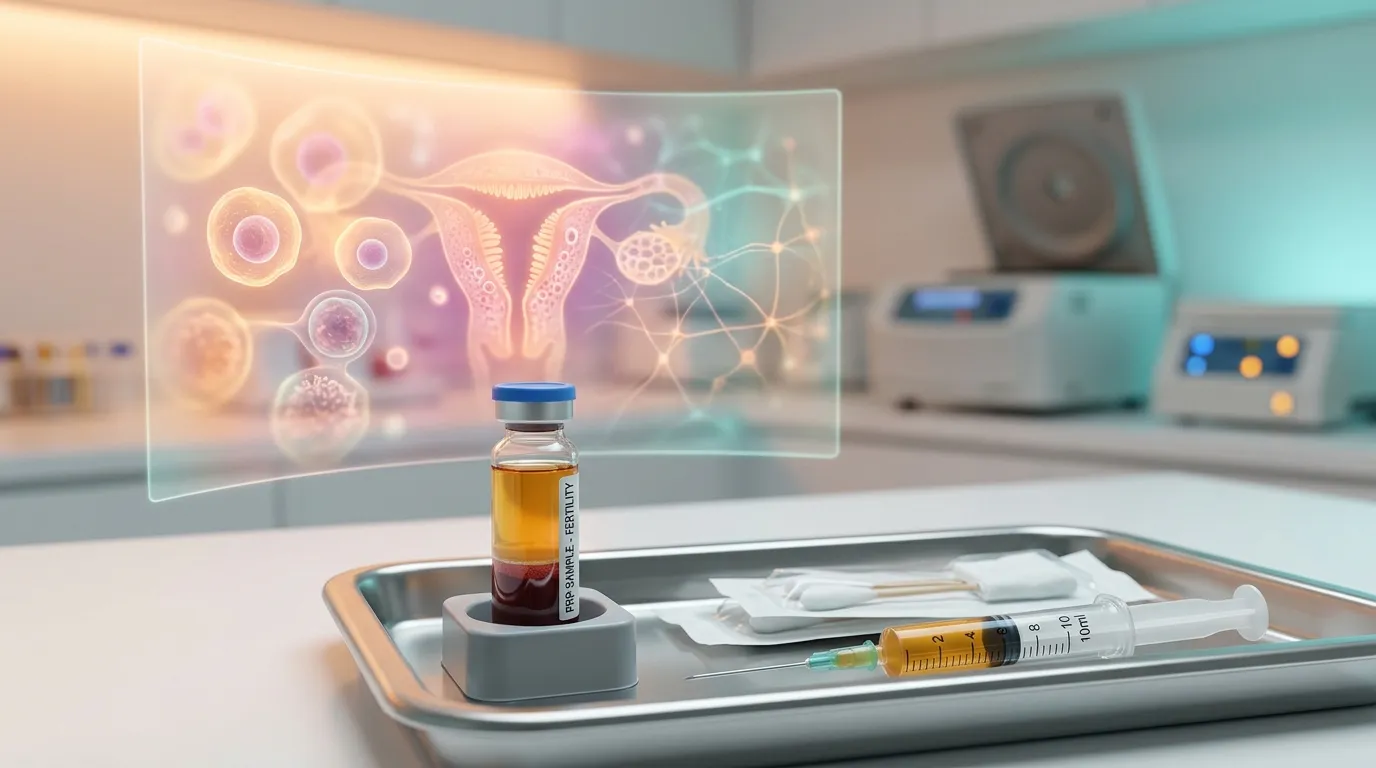 Integrative Medicine
PRP in Recurrent Pregnancy Loss: Evidence, Receptivity and Expectations
Can intrauterine Platelet-Rich Plasma (PRP) improve uterine receptivity after repeated pregnancy losses? Here is what current clinical evidence and reproductive biology actually show.