
PRP in Recurrent Pregnancy Loss: Evidence, Receptivity and Expectations
Can intrauterine Platelet-Rich Plasma (PRP) improve uterine receptivity after repeated pregnancy losses? Here is what current clinical evidence and reproductive biology actually show.
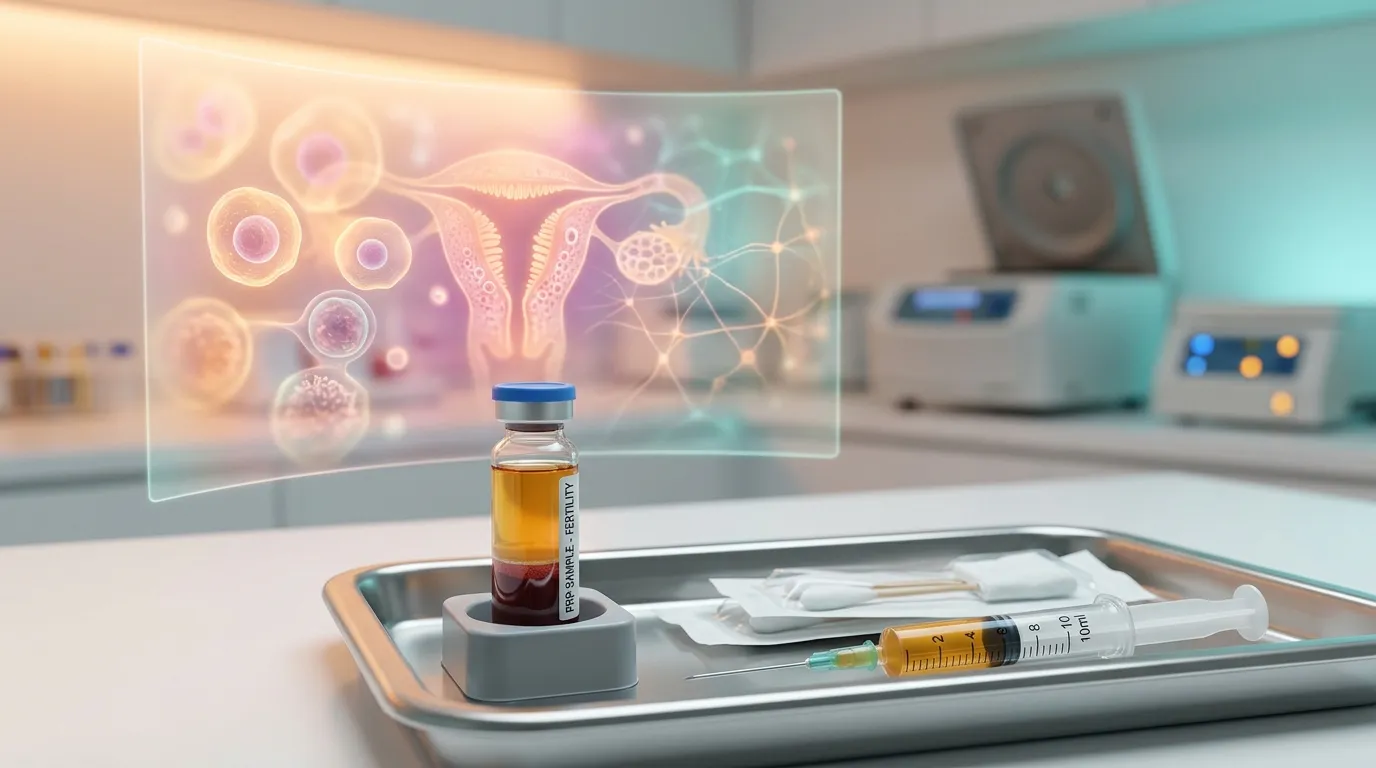
Key Takeaways
- RPL requires comprehensive initial evaluation including genetic, hormonal, anatomical, and thrombophilic factors.
- Intrauterine PRP is being explored to improve endometrial thickness and vascularity in thin endometrium or repeated implantation failure.
- PRP is considered an experimental add-on option and must not replace targeted treatments for identified underlying causes.
- Autologous preparation minimizes allergic risks with high clinical tolerance.
Recurrent pregnancy loss (RPL), typically defined as the consecutive loss of two or more pregnancies, is an emotionally exhausting journey for couples. While established protocols thoroughly investigate parental chromosomal anomalies, uterine anatomical defects, hormonal deficiencies, antiphospholipid syndrome (APS), and thrombophilias, an emerging area of research explores intrauterine Platelet-Rich Plasma (PRP) as an autologous adjunctive therapy to enhance endometrial thickness and receptivity in refractory cases.
Understanding Recurrent Pregnancy Loss (RPL)
Recurrent pregnancy loss involves complex physiological interactions between the developing blastocyst and the maternal uterine environment. Standard clinical protocols must thoroughly rule out or address parental chromosomal anomalies, anatomical uterine abnormalities (such as uterine septa, Asherman syndrome or intrauterine synechiae), luteal phase defect, thyroid disorders, and thrombophilias. In a subset of women, recurrent implantation failure or repeated early loss occurs alongside a persistently thin, unresponsive endometrium (typically < 7 mm) that fails to proliferate despite standard hormonal priming with estrogen and vasodilators. It is within this specific physiological context that regenerative therapies like autologous PRP are being actively explored.
- Detailed diagnostic evaluation is mandatory before considering any experimental or regenerative add-on.
- Chromosomal karyotyping, 3D pelvic ultrasound, hysteroscopy, and comprehensive thrombophilia workups form the cornerstone.
- Regenerative interventions should only complement, never replace, proven medical management.
What Is Intrauterine Platelet-Rich Plasma (PRP)?
Platelet-Rich Plasma (PRP) is an autologous biological product derived by centrifuging the patient’s own peripheral blood to concentrate platelets 3- to 5-fold above baseline levels. Platelets house concentrated alpha granules loaded with bioactive cytokines and signaling molecules, including Transforming Growth Factor-beta (TGF-β), Vascular Endothelial Growth Factor (VEGF), Epidermal Growth Factor (EGF), Platelet-Derived Growth Factor (PDGF), and Fibroblast Growth Factor (FGF). When gently instilled into the uterine cavity via a specialized intrauterine catheter during the proliferative phase, these concentrated growth factors bind to local endometrial receptors. This targeted biological signaling promotes neo-angiogenesis (new microvascular blood supply), cellular migration, fibroblast proliferation, and regenerative remodeling of the endometrial lining.
- Autologous preparation completely eliminates risks of allergic reactions, foreign body rejection, or cross-infection.
- Performed as a quick, painless outpatient procedure similar to an intrauterine insemination (IUI).
- Aims to optimize the sub-endometrial vascular bed for subsequent blastocyst implantation.
What Does the Clinical Evidence Say?
Current literature presents encouraging findings, especially in cohort studies involving women with recurrent implantation failure (RIF) and refractory thin endometrium undergoing frozen embryo transfer (FET). Multiple randomized clinical trials and meta-analyses observe statistically significant improvements in endometrial thickness, sub-endometrial vascularity scores, and clinical pregnancy rates following intrauterine PRP infusion. However, for recurrent pregnancy loss (RPL) without thin endometrium, high-quality, large-scale multi-center randomized controlled trials are still evolving. The medical consensus emphasizes that PRP should be positioned as an evidence-informed adjunct—an add-on therapy following meticulous counseling—rather than a guaranteed panacea. It must never substitute established treatments such as low-molecular-weight heparin (LMWH), aspirin for APS, surgical hysteroscopic resection of septa, or targeted progesterone support.
- Documented benefits are most consistent in cases of refractory thin endometrium (<7mm).
- Procedure is scheduled 48 to 72 hours prior to planned embryo transfer or ovulation.
- Transparent patient counseling regarding experimental status versus realistic clinical outcomes is essential.
Personalised Care & Consultation at Famicare Speciality Center
At Famicare Speciality Center in Rohini, Delhi, our dedicated reproductive and gynecologic specialists believe in evidence-grounded, empathetic care. We do not apply one-size-fits-all treatments. Every couple experiencing repeated pregnancy loss undergoes an exhaustive clinical, anatomical, and immunological evaluation. If intrauterine PRP is deemed a suitable complementary option for your specific profile, the preparation follows strict sterile clinical centrifugation standards to ensure high platelet concentration and viability without contamination. We invite you to have an honest, in-depth consultation with our senior medical team to map out a clear, transparent, and evidence-guided reproductive plan.
- Direct consultation with senior fertility and gynecologic specialists.
- Full-spectrum diagnostics: high-resolution ultrasonography, hysteroscopy, and comprehensive immunological testing.
- Contact Famicare Speciality Center, Rohini, New Delhi at +91 96253 61613 for personalized guidance.
Frequently Asked Questions
How is intrauterine PRP performed?
A small sample of blood is drawn and centrifuged. The concentrated platelet fraction is gently infused into the uterine cavity via a thin catheter, similar to an IUI procedure, typically without significant discomfort.
Are there risks or side effects?
Because autologous blood is used, immunological reactions are minimal. Mild uterine cramping or transient spotting may occur shortly after the infusion.
References
Have questions? Talk to our doctors.
Related Articles & Latest Clinical Guides
Continue exploring evidence-based oncology, cervical cancer prevention, and wellness insights.
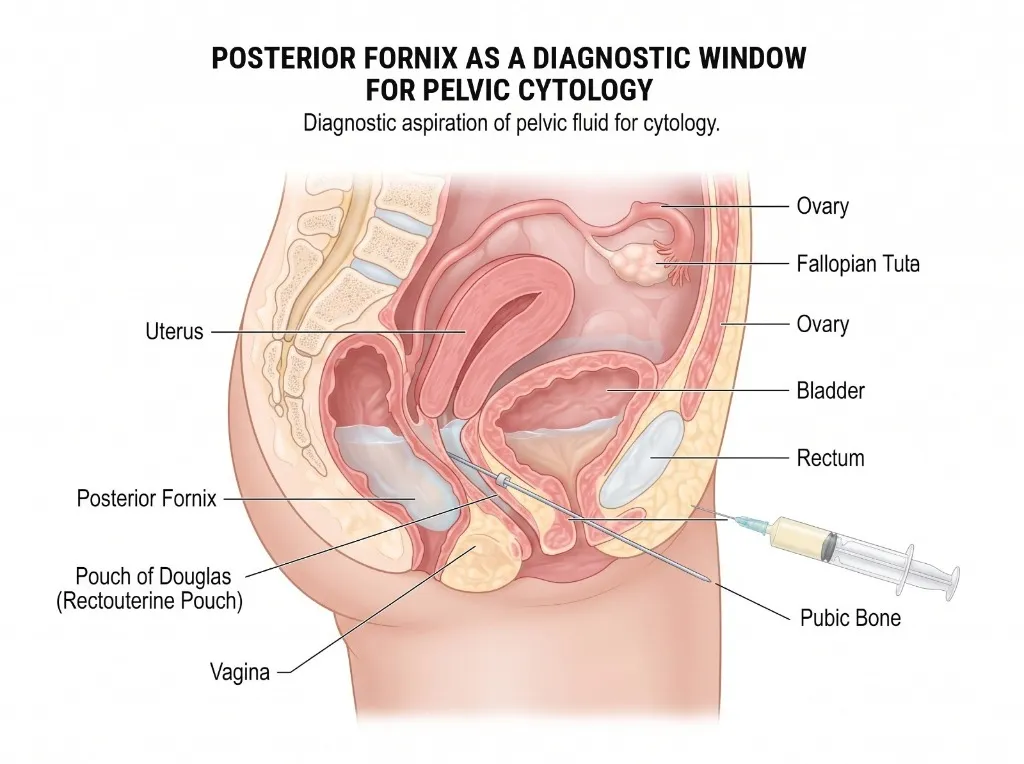 Gynecologic Oncology
The Posterior Fornix as a Diagnostic Window: Promise—and Limits—of Pelvic Cytology
The posterior fornix offers direct anatomical access to the pouch of Douglas. Can pelvic fluid aspiration reliably detect early ovarian cancer, endometriosis, and pelvic disease? An objective review of the promise and clinical limits of pelvic cytology.
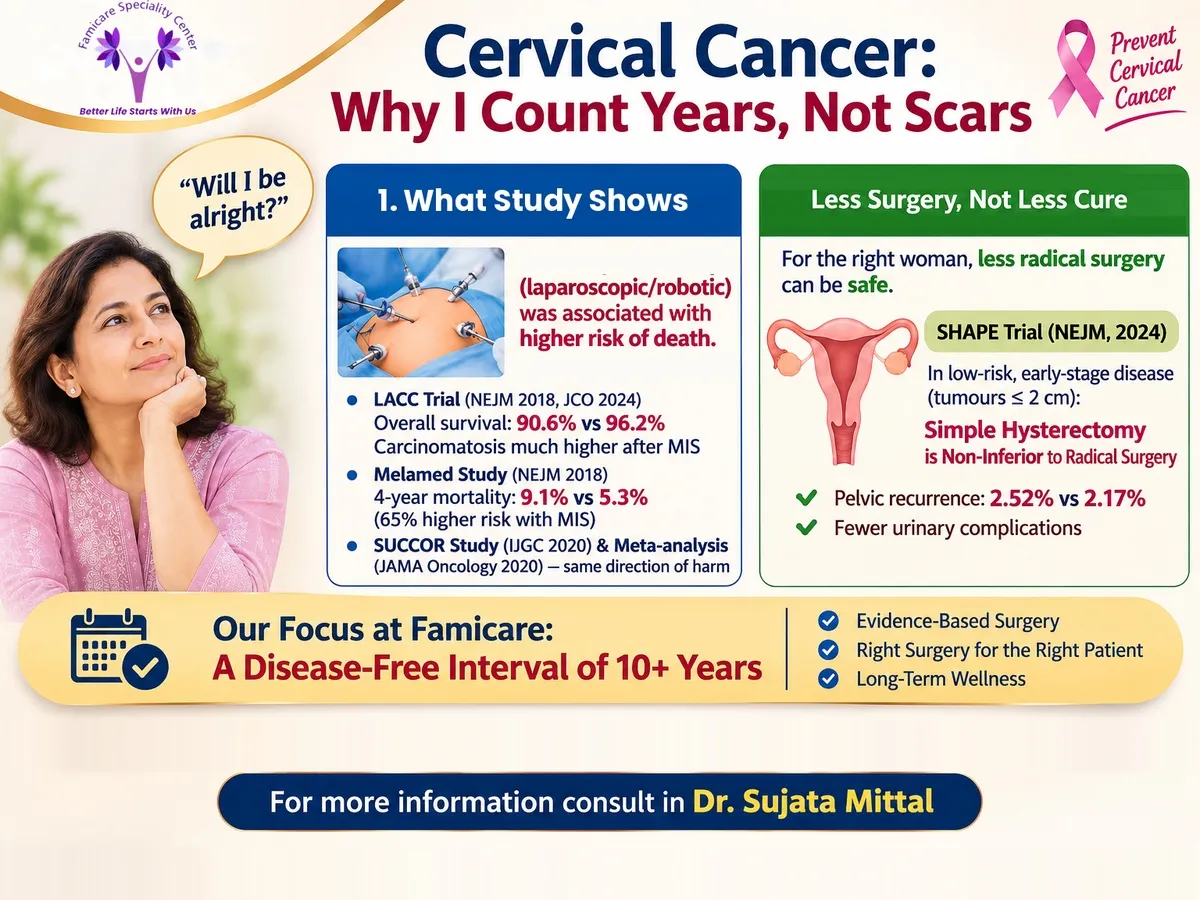 Cancer Awareness
HPV Vaccine: What the Evidence Shows — Efficacy, Registry Data & Informed Decisions
What does high-quality, long-term registry data reveal about the HPV vaccine? An objective, evidence-grounded analysis of cancer reduction, safety, and informed consent.
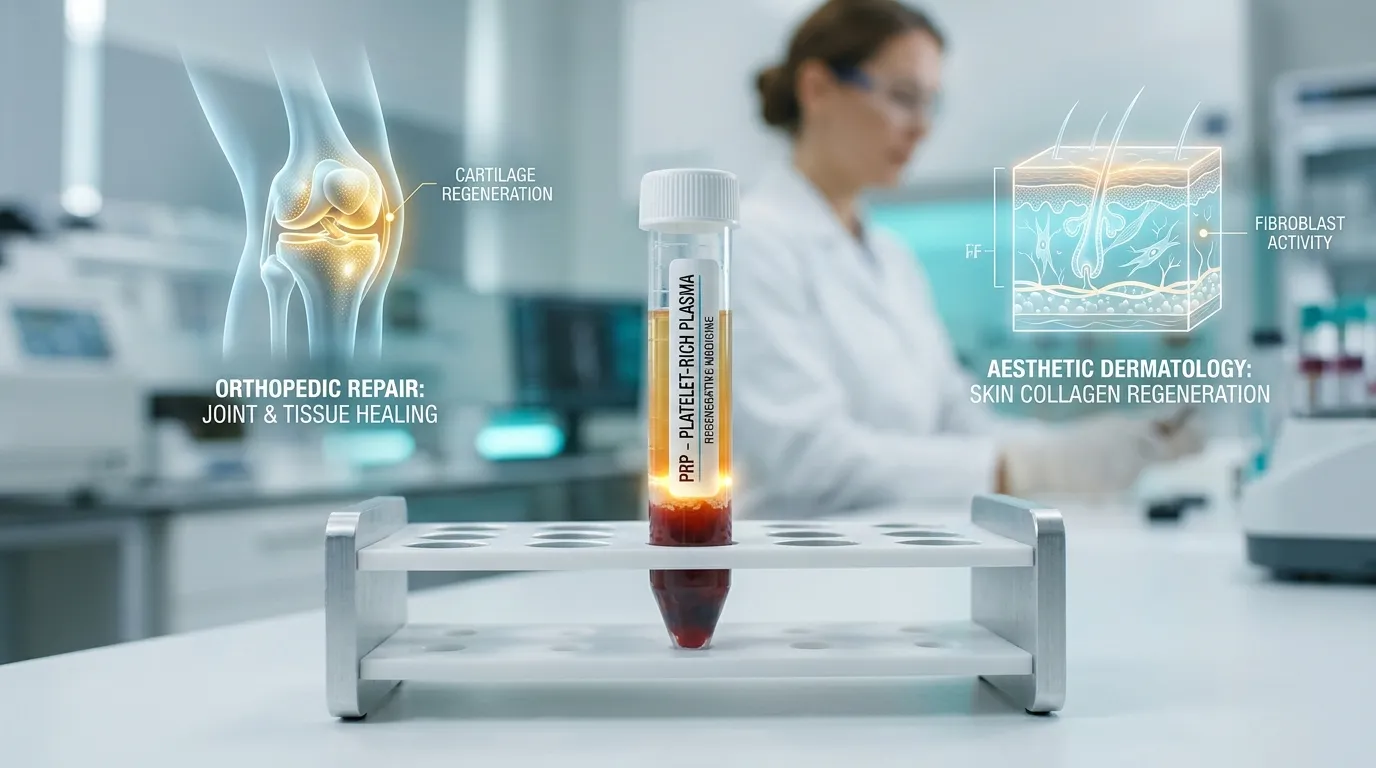 Integrative Medicine
PRP Therapy: Clinical Uses, Healing Mechanisms and Evidence-Based Benefits
From joint pain and wound healing to reproductive medicine and dermatology, discover the scientifically verified mechanisms and clinical applications of autologous PRP therapy.