
What the Appendix Taught Me About the Limits of Medical Certainty

We called it "vestigial." It was simply waiting for us to understand it.

When I was a medical student in the 1980s, the appendix came with a label that no one thought to challenge. It sat in our textbooks under "vestigial organs" — the evolutionary equivalent of a few pages left in a book by mistake. A remnant of a digestive past we had outgrown. Useful for nothing, we were taught, except to occasionally become inflamed and send a patient to the operating theatre. We memorised it, we reproduced it in our examinations, and we moved on. Nearly four decades of practice later, I find that verdict has quietly dissolved — and the story of how it dissolved is, to my mind, more important than any single fact about the appendix.
A Leftover, We Were Told
The idea that the appendix is useless has a long and confident history. Darwin himself suggested it was the shrunken remnant of a larger caecum that our leaf-eating ancestors once used to ferment coarse plant matter. For over a century, that was the settled view. The appendix became the textbook example of vestigiality — offered, in fact, as evidence for evolution, and as proof that the body carries baggage it no longer needs. There was a quiet arrogance in the ease of that conclusion. We had looked at an organ, failed to find its function, and declared that it had none. The absence of an answer became the answer.
What We Actually Know Now

The modern picture is very different. The appendix is not inert tissue. It is densely packed with gut-associated lymphoid tissue — the immune system's frontline apparatus in the intestine. It is especially active in adolescence, contributes to antibody production, and helps train the immune cells that guard the gut lining. An organ that performs immunological work is not a spare part. Then came the idea that reshaped my own thinking most: the "safe house" hypothesis, proposed by researchers at Duke University. Our gut is home to trillions of beneficial bacteria. A severe bout of diarrhoeal illness — cholera, dysentery, the kind of infection that has stalked the subcontinent for centuries — can flush that entire ecosystem out. The appendix, tucked away as a narrow cul-de-sac off the main tract, appears to serve as a protected reservoir of beneficial bacteria, ready to help restore the gut microbiome once the illness has passed. In populations with a heavy historical burden of diarrhoeal disease, the appendix may provide a genuine survival advantage. Another important observation comes from evolutionary biology. When researchers mapped the appendix across the mammalian family tree, they found it had evolved independently around thirty times and, once present, it rarely disappeared.
The Cancer That Hides
August is recognized as Appendix Cancer Awareness Month. Appendiceal cancer is rare, affecting approximately one to two people per million each year, but its incidence has been increasing. One of its greatest challenges is that it often develops silently and may remain undetected until later stages. For those involved in women's healthcare, this is particularly important because appendiceal tumours and pseudomyxoma peritonei can sometimes mimic common gynaecological conditions, including ovarian masses, fibroids, endometriosis, or unexplained abdominal swelling. An organ once considered unimportant can still present significant clinical challenges. The Real Lesson Is Not About the Appendix The appendix is only one example of a broader lesson in medicine. Other structures once believed to have little or no function have since been shown to play important biological roles: The tonsils, now recognized as important components of the immune system. The thymus, essential for immune development. "Junk DNA," now known to regulate many important genetic functions. In each case, medicine learned that not understanding a structure does not mean it has no purpose.
The Importance of Scientific Humility
"We don't understand what this does" should never automatically become "this does nothing." Scientific knowledge continues to evolve. As new evidence emerges, long-held assumptions may change. Humility is not the opposite of science—it is an essential part of good science. The body rarely builds and maintains structures without reason. When the purpose of an organ is not yet fully understood, the most responsible scientific approach is to continue studying it rather than dismissing it. The appendix waited nearly forty years for medicine to better understand its possible functions. Perhaps the better question is not "What is this useless part for?" but "What is this part doing that we have not yet learned to understand?" Stay Connected with Famicare Speciality Center Famicare Speciality Center brings you evidence-based healthcare updates, medical awareness articles, and the latest developments in medicine. Follow us to stay informed about important healthcare topics.
📞 For any queries or to book a consultation, contact us at: +91 96253 61613
Keep reading
View all →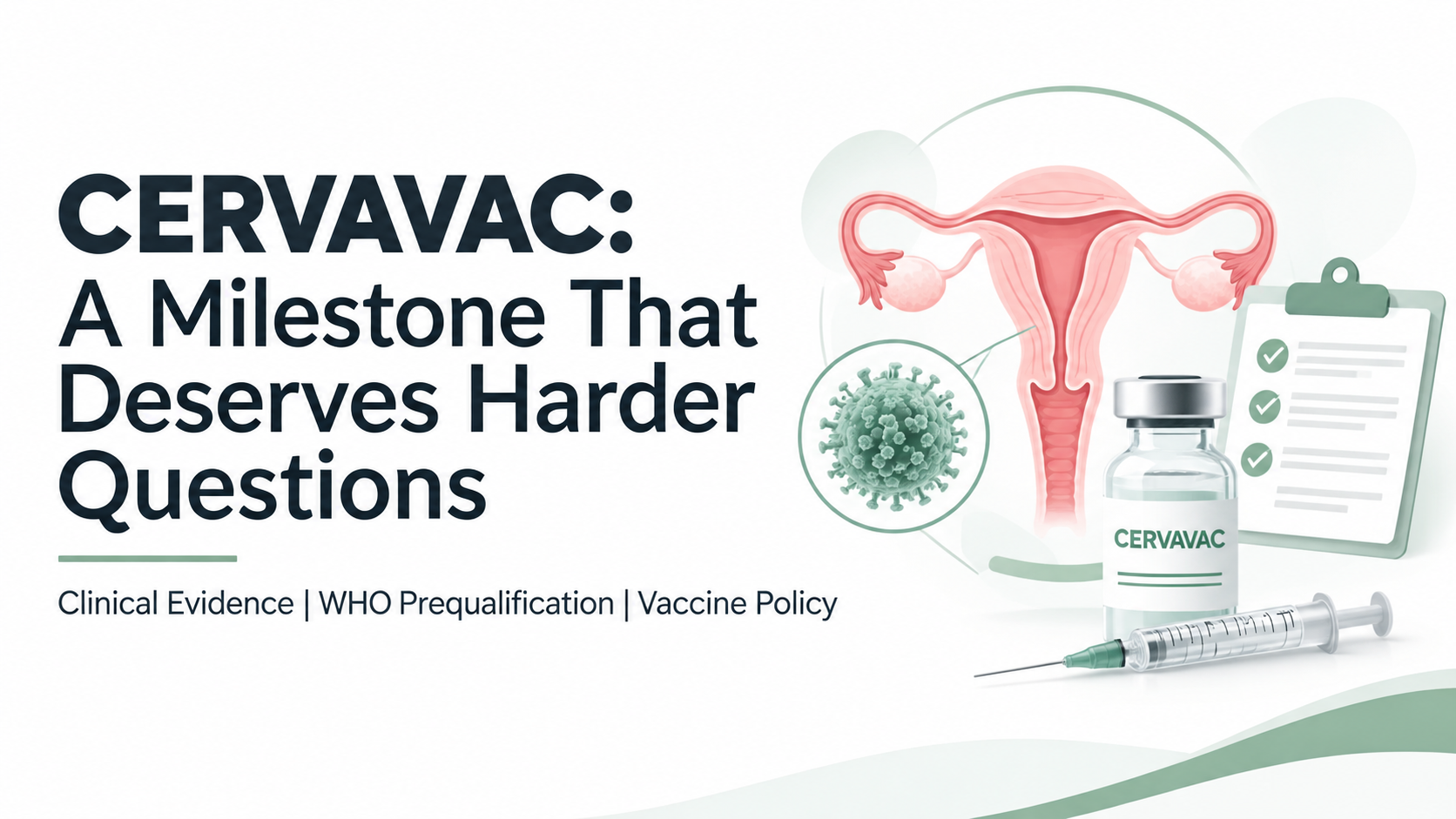 Cancer Awareness
CERVAVAC: Evidence, WHO Prequalification & Vaccine Policy
India’s first indigenous HPV vaccine, CERVAVAC, receiving WHO prequalification marks an important milestone in preventive oncology.
 Cancer Awareness
Breast Cancer & Liquid Biopsy in Rohini, Delhi
Breast cancer is not always limited to the breast. Cancer cells can spread through the blood and lymphatic system, making systemic treatment essential for reducing the risk of recu…
 Cancer Awareness
Targeted Therapy for Breast Cancer: Latest Treatments
Targeted therapy for breast cancer is a modern treatment approach that focuses on specific proteins, genes, or molecular changes that help cancer cells grow and spread.