
Baking Soda: The Timeless Indian Kitchen Secret for Non-Toxic Living
Long before synthetic cleansers claimed their place on supermarket shelves, humble baking soda (meetha soda) reigned supreme as a versatile, eco-friendly, and non-toxic home staple.
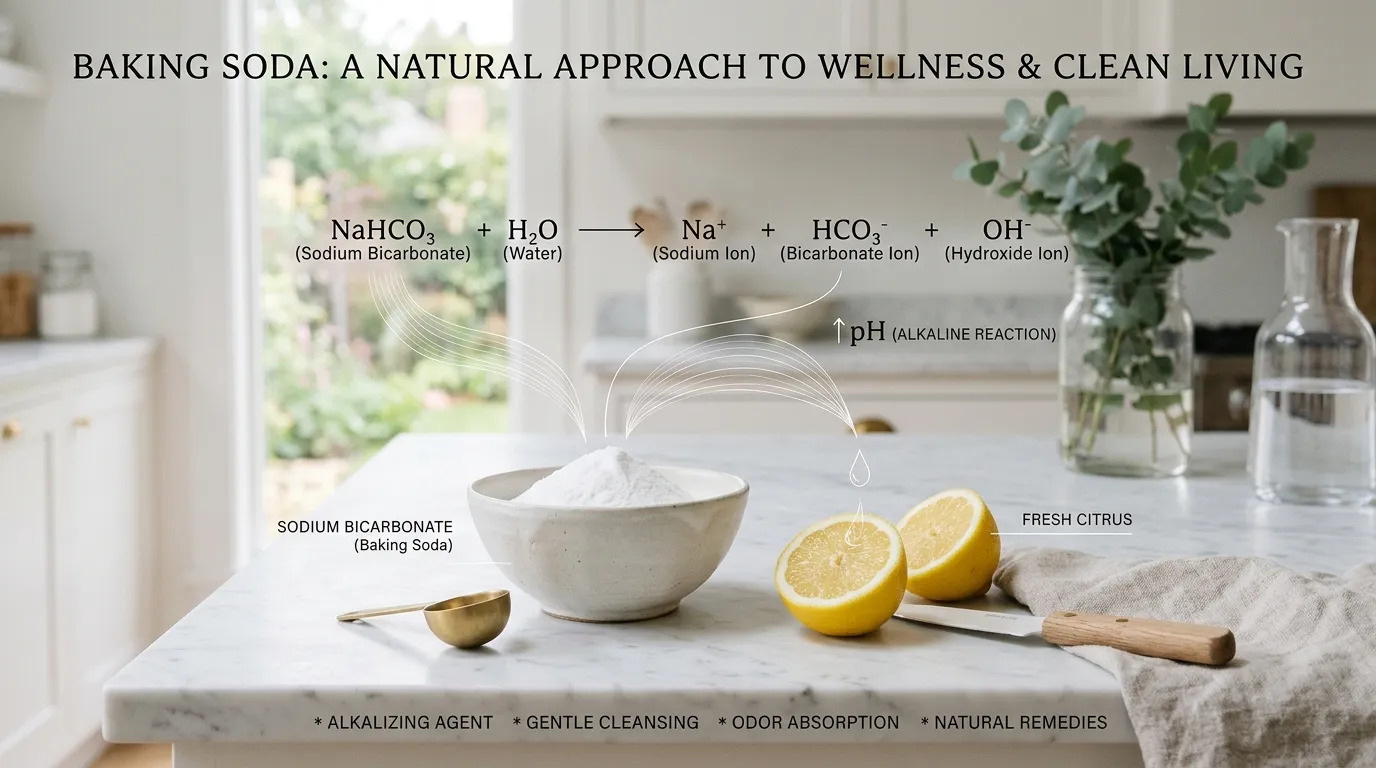
In traditional Indian homes, the kitchen is more than a space for culinary creation—it is a sanctuary of practical wisdom and natural wellness. Long before synthetic cleansers and specialized chemical detergents claimed their place on supermarket shelves, a humble white powder reigned supreme: baking soda (sodium bicarbonate), fondly known in Indian households as meetha soda. Beyond its familiar role in fluffing dhoklas and tenderizing chana, baking soda remains one of the most versatile, eco-friendly, and health-safe tools in the Indian home.
The Ultimate Non-Toxic Cleanser: Slabs, Stovetops, and Refrigerators
Indian cooking is celebrated worldwide for its rich aromatics, turmeric-infused gravies, and tempered spices (tadka). However, this delicious cuisine often leaves behind stubborn oil grease, turmeric stains, and strong lingering odors. Baking soda offers a gentle yet remarkably effective remedy across several key kitchen areas:
- Granite & Marble Slabs: Turmeric (haldi) stains can turn pristine kitchen counter slabs yellow within seconds. Modern chemical cleaners often contain acidic agents that strip natural stone sealants. A simple paste of baking soda and warm water lifts organic stains through mild alkaline action without etching delicate stone surfaces.
- Gas Stovetops and Burners: The daily buildup of burnt oil and boiled-over milk creates a sticky grime that attracts pests. Baking soda acts as a mild abrasive. Sprinkled directly onto gas hobs with warm water or lemon juice, it dissolves tough grease without scratching stainless steel or glass tops.
- Refrigerators and Odor Control: Indian refrigerators frequently hold aromatic leftovers like garlic chutney, cut onions, and fermented batter. Unlike scented synthetic air fresheners that merely mask smells, baking soda chemically neutralizes acidic and basic volatile odor molecules. A small open bowl absorbs odors naturally for up to three months.
- Tikka and Kadai Scrubbing: Heavy cast-iron kadais and burnt vessel bottoms clean effortlessly when soaked in warm water mixed with two tablespoons of baking soda, reducing the need for aggressive wire scrubbing.
Baking Soda vs. Modern Synthetic Detergents
While modern chemical detergents promise instant shine, they carry hidden costs for domestic safety, indoor air quality, and biological health:
- Free from Endocrine Disruptors: Commercial cleansers often contain phthalates, synthetic fragrances, and quaternary ammonium compounds that can disrupt hormones. Sodium bicarbonate is 100% biodegradable and non-toxic.
- Gentle on Respiratory Pathways: Chemical sprays release aerosolized irritants that trigger allergies and asthma. Baking soda produces zero harmful fumes.
- Safe for Food Contact Surfaces: Cutting boards, blenders, and jars cleaned with baking soda leave zero chemical residues that could leach into your family's food.
Dr. Sujata Mittal, Senior Gynaecologist & Wellness Advocate, Famicare Speciality Centre, Rohini
Frequently Asked Questions
Can baking soda harm marble countertops?
Unlike vinegar or lemon juice which are acidic and etch marble, baking soda is mildly alkaline (pH ~8.3) and safe when used as a gentle paste without harsh scrubbing.
How does baking soda eliminate refrigerator odors?
Baking soda chemically interacts with and neutralizes volatile organic acids and bases (such as butyric acid from spoiled dairy or amines from fish) rather than masking them.
Embrace non-toxic living for long-term family wellness. Explore integrative care at Famicare Speciality Centre.
Related Articles & Latest Clinical Guides
Continue exploring evidence-based oncology, cervical cancer prevention, and wellness insights.
 Preventive Oncology
The Control Panel of Your DNA: How Your Lifestyle Rewrites Your Health
Your DNA is the permanent hardware, but epigenetics provides the software bookmarks. Discover how daily habits can activate tumor suppressor genes and rewrite your health blueprint.
 Cancer Awareness
Demystifying Cancer Jargon: A Plain-English Guide to 8 Essential Terms
Hearing words like angiogenesis, apoptosis, or HER2 can feel overwhelming. Here is an empowering translation of eight essential oncology terms using simple everyday analogies.
 Integrative Oncology
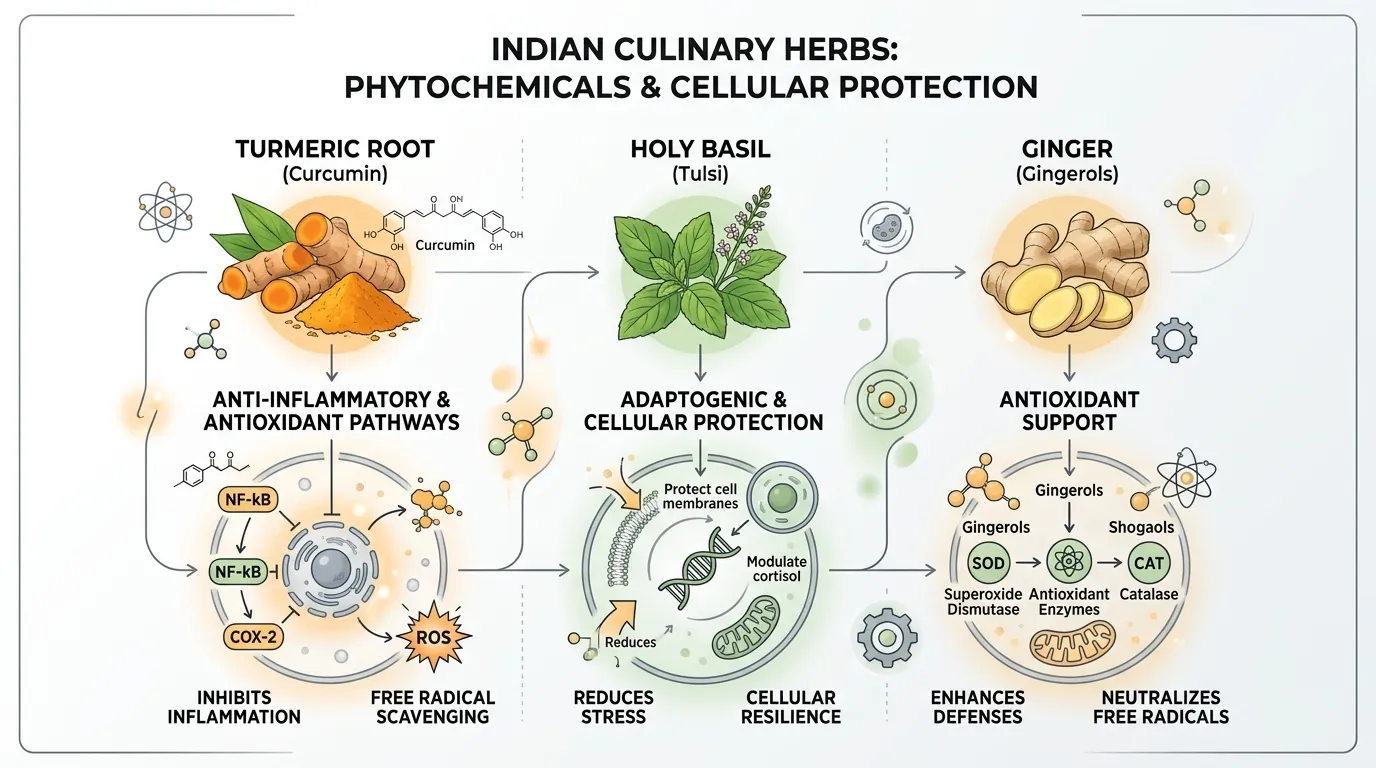
Nature’s Pharmacy: How Common Indian Kitchen Herbs Combat Cancer Hallmarks
Emerging scientific research confirms what traditional medicine has known for centuries: everyday Indian kitchen herbs contain potent bioactive compounds capable of targeting key hallmarks of cancer.