
Nature’s Pharmacy: How Common Indian Kitchen Herbs Combat Cancer Hallmarks
Emerging scientific research confirms what traditional medicine has known for centuries: everyday Indian kitchen herbs contain potent bioactive compounds capable of targeting key hallmarks of cancer.
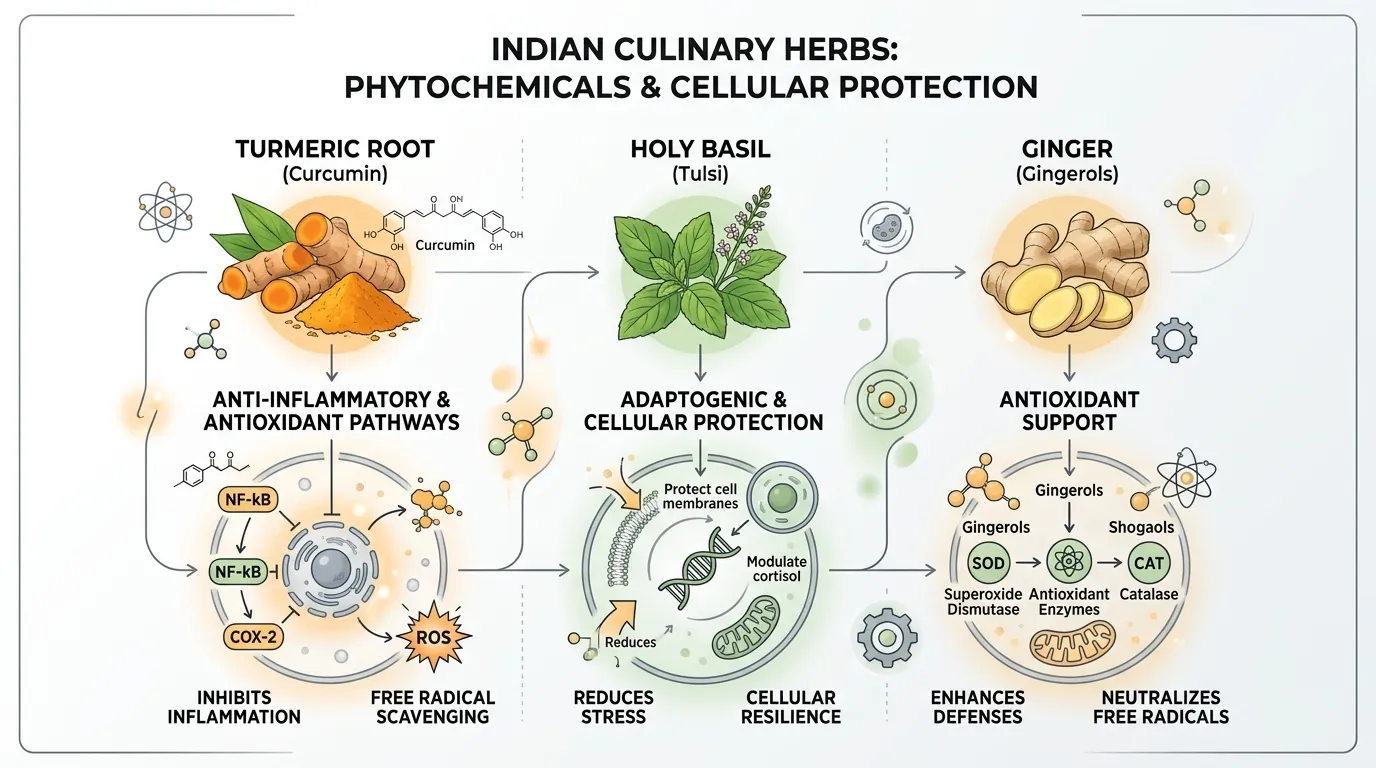
The traditional Indian kitchen is far more than a place where delicious meals are prepared—it is a functional pharmacy. Long before modern pharmacology, ancient remedies relied on everyday culinary herbs and spices to promote longevity and restore balance. Today, emerging scientific research confirms what traditional medicine has known for centuries: many everyday Indian kitchen staples contain potent bioactive compounds capable of targeting critical pathways involved in cancer development. From suppressing DNA mutations to halting tumor growth, here is how nine medicinal powerhouses found in Indian kitchens help address key cellular dysfunctions associated with cancer.
The 9 Bioactive Powerhouses in Your Kitchen
Evidence-based research highlights how these everyday herbs interact with cellular signaling networks:
- 1. Turmeric (Haldi): Inhibiting Tumorigenesis & Cell Signalling — Turmeric’s primary active compound, curcumin, interferes with aberrant signaling pathways (such as NF-κB and STAT3) that drive tumorigenesis while inducing apoptosis in mutated cells.
- 2. Tulsi (Holy Basil): Stopping DNA Mutations — Rich in phytochemicals like eugenol, rosmarinic acid, and carnosic acid, Tulsi neutralizes free radicals, reduces oxidative stress, and protects cellular DNA from mutations.
- 3. Ginger (Adrak): Target for Metabolic Errors — 6-Gingerol and shogaol inhibit glucose uptake in abnormal cells and trigger mitochondrial dysfunction within tumor cells, counteracting the Warburg effect.
- 4. Aloe Vera (Ghritkumari): Anti-Angiogenic Powerhouse — Compounds like aloin and aloe-emodin suppress Vascular Endothelial Growth Factor (VEGF), restricting the blood supply required for tumor expansion.
- 5. Curry Leaves (Kadhi Patta): Disparity in Cell Signalling — Packed with carbazole alkaloids (such as mahanimbine), curry leaves disrupt abnormal cell survival signaling (PI3K/Akt pathway) to curb unchecked proliferation.
- 6. Moringa Leaves (Sahijan): DNA Repair & Mutation Control — High in isothiocyanates, quercetin, and chlorogenic acid, Moringa upregulates phase II detoxification enzymes in the liver to neutralize environmental carcinogens.
- 7. Black Cumin Seed Oil (Kalonji): Multi-Targeted Anti-Tumor Action — Thymoquinone in Kalonji targets multiple hallmarks simultaneously: inhibiting angiogenesis, suppressing invasion, and enhancing immune surveillance.
- 8. Ajwain (Carom Seeds): Anti-Inflammatory & Apoptotic Agent — Rich in thymol, Ajwain suppresses chronic tissue micro-inflammation, preventing the pro-inflammatory niche required for early-stage cellular changes.
- 9. Cloves (Laung): Halting Proliferation — Cloves contain the highest concentration of eugenol among spices, demonstrating strong cytotoxicity against aberrant cell lines by blocking cell-cycle progression.
Integrating Healing Herbs Into Daily Life
While culinary herbs are not a replacement for conventional medical oncology care, incorporating them mindfully into daily nutrition provides potent integrative support for cellular defense, antioxidant protection, and metabolic equilibrium. Always consult your oncology team before taking concentrated botanical extracts during active treatment.
Dr. Sujata Mittal, Senior Gynaecologic Oncologist & Preventive Oncology Specialist, Famicare Speciality Centre, Rohini
Frequently Asked Questions
Can kitchen spices replace chemotherapy or surgery?
No. Culinary herbs support cellular health and prevention, but they are not a replacement for standard evidence-based oncology treatments like chemotherapy, radiation, or surgery.
How can I maximize the absorption of curcumin from turmeric?
Curcumin has low natural bioavailability. Combining turmeric with black pepper (piperine) and healthy fats (such as cold-pressed oil or warm milk) enhances absorption by up to 2000%.
Interested in evidence-based integrative cancer care? Schedule a comprehensive consultation with Dr. Sujata Mittal today.
Related Articles & Latest Clinical Guides
Continue exploring evidence-based oncology, cervical cancer prevention, and wellness insights.
 Preventive Oncology
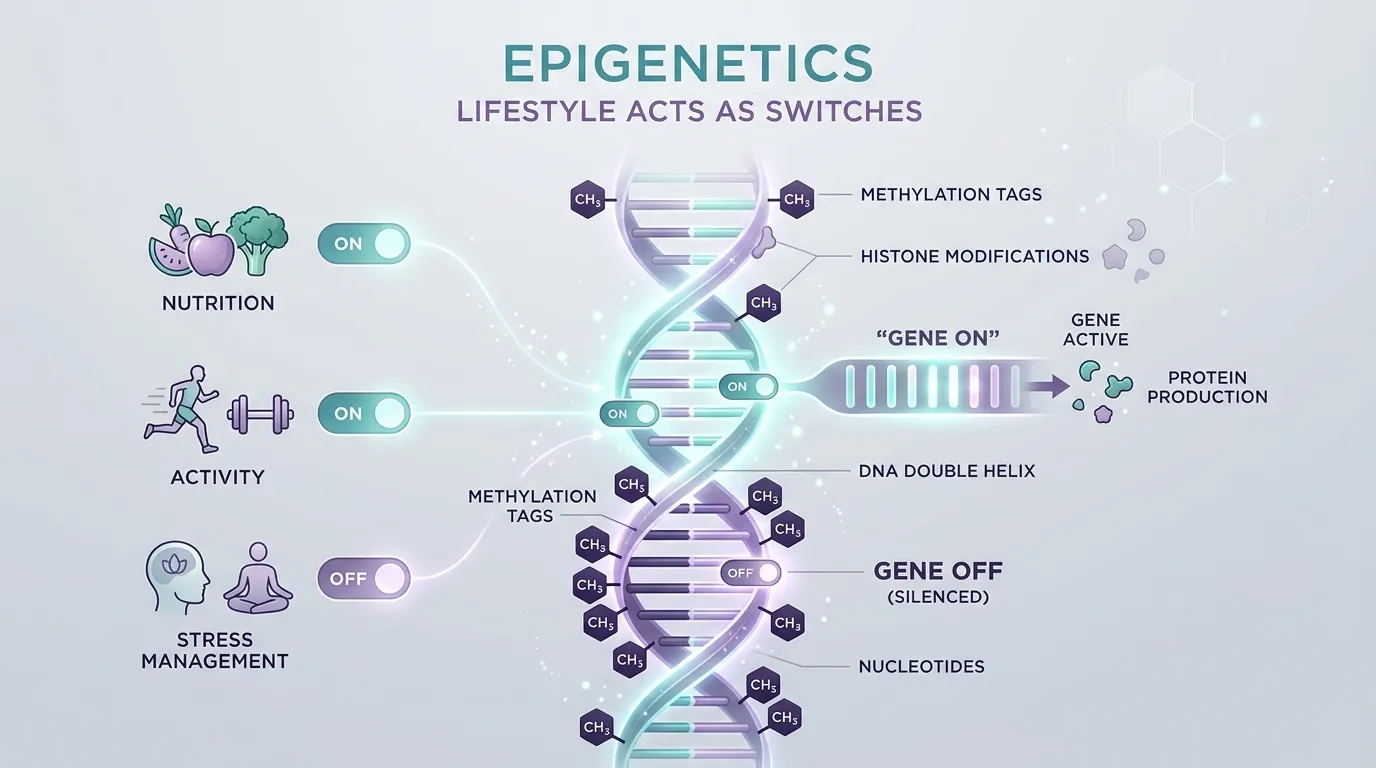
The Control Panel of Your DNA: How Your Lifestyle Rewrites Your Health
Your DNA is the permanent hardware, but epigenetics provides the software bookmarks. Discover how daily habits can activate tumor suppressor genes and rewrite your health blueprint.
 Cancer Awareness
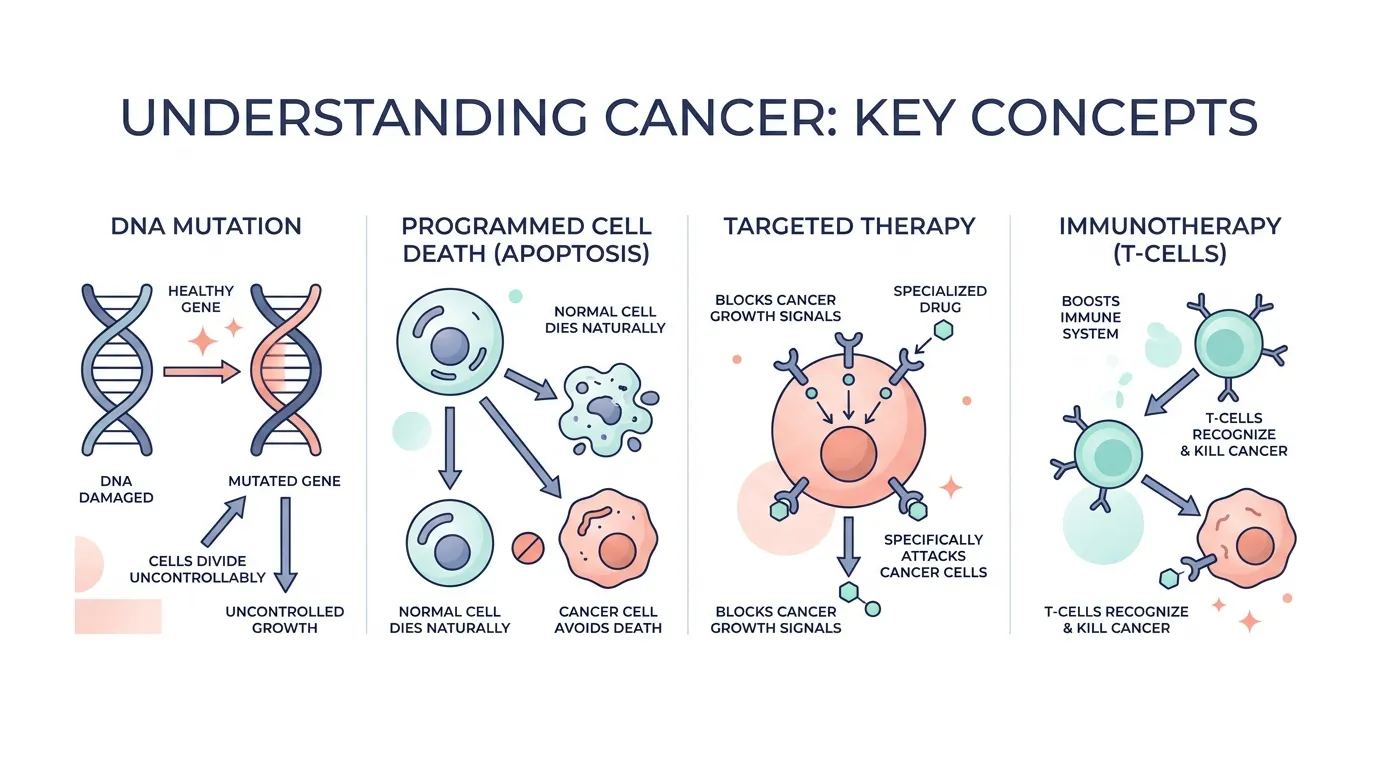
Demystifying Cancer Jargon: A Plain-English Guide to 8 Essential Terms
Hearing words like angiogenesis, apoptosis, or HER2 can feel overwhelming. Here is an empowering translation of eight essential oncology terms using simple everyday analogies.
 Integrative Care
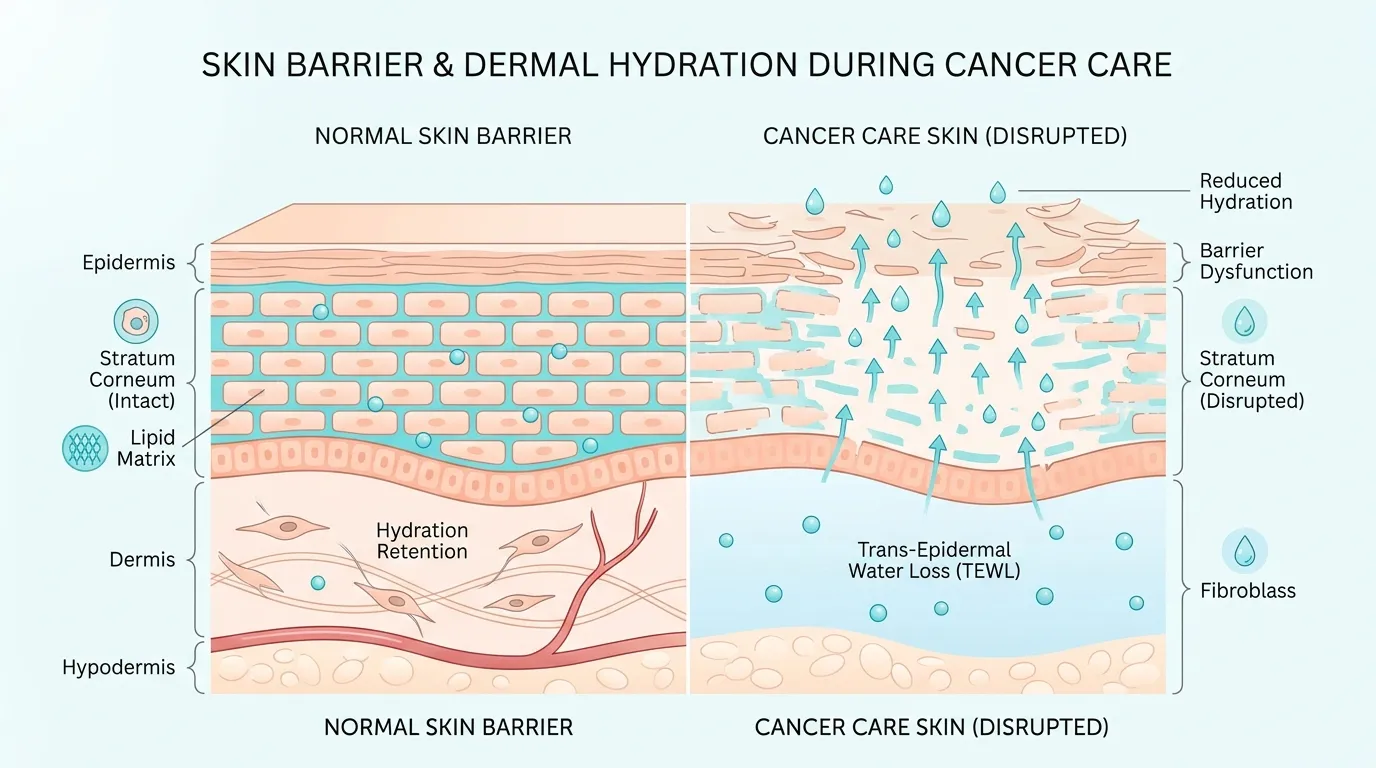
Dermal Absorption in Cancer Care: Why Shower Water Quality Matters During Treatment
While oncology discussions typically focus on diet and internal side effects, one critical environmental pathway is often overlooked: transdermal toxin absorption through daily shower water.