
The Menstrual Cycle Is a Health Dashboard, Not Just a Monthly Inconvenience
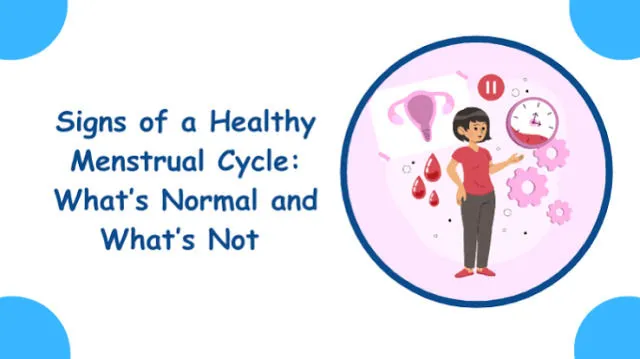
Aregular, tolerable menstrual cycle is the visible output of a finely coordinated hormonal conversation between the hypothalamus, pituitary gland, and ovaries — the *hypothalamic-pituitary-ovarian (HPO) axis*. This axis doesn’t operate in isolation. It’s linked to thyroid function, adrenal health, metabolic and bone health, and even mood regulation. When your cycle is regular and manageable, it’s a strong sign this whole interconnected system is working well. When it’s irregular, absent, or severely painful, it’s often the body flagging something underlying — thyroid dysfunction, PCOS, extreme stress, or nutritional deficiency — that deserves attention, not just suppression.
What a More Balanced Conversation Looks Like
If you or your daughter are considering hormonal methods purely to skip periods, here’s what an honest, evidence-based conversation with a gynecologist should include:
- Cancer risk — the full picture, not half of it:* This is where a lot of misinformation circulates. Research shows a genuinely nuanced picture: large studies show hormonal contraceptive use reduces ovarian and endometrial cancer risk by roughly 40–50%, with protection lasting 20+ years — while also showing a small, temporary increase in breast and cervical cancer risk during current/recent use, which fades within about five years of stopping. Presenting only the increased-risk side (as is common online) is misleading; the full risk-benefit picture matters for an informed decision.*Mood and mental health:* Evidence here is genuinely mixed rather than settled. Some studies, particularly in adolescents, have found an association between starting hormonal contraception and later depression diagnoses or antidepressant use — but correlation isn’t the same as proven causation, since adolescence itself is a high-risk period for mood changes. This is a legitimate reason to monitor mood closely after starting, not a reason for blanket alarm.*Metabolic and nutrient effects:* Significant weight gain isn’t consistently supported by evidence for most combined pills, though some users report bloating or fluid retention. Some studies note mild reductions in certain micronutrients (like B vitamins, folate, and zinc) — worth knowing, but this is different from a diagnosed deficiency and is usually manageable with diet or supplementation.*Bone health:* This concern is well-documented specifically for the injectable progestin-only contraceptive (DMPA), where bone density loss is a known, generally reversible effect. It is not strongly established for combined oral pills in typical adolescent use — an important distinction that’s often lost online.*Fertility after stopping:* A common myth worth correcting directly: hormonal contraceptives do not cause infertility. Fertility returns to baseline after stopping, for the vast majority of users. Some individuals experience a temporary delay in cycle regularity post-discontinuation, which is different from infertility.
The Real Question Worth Asking
The point isn’t “pills are dangerous” — that framing does a disservice to the millions of people for whom they’re medically necessary and life-improving. The real question is: *is menstrual suppression being chosen as an informed medical decision, or as a default convenience choice made without understanding what’s being turned off?* Every adolescent deserves the full picture — the benefits, the real (not exaggerated) risks, and the alternative of understanding why her cycle behaves the way it does before deciding to silence it. That conversation belongs with a gynecologist who will look at her individual risk factors, not a blanket rule in either direction.
- 📍 Famicare Speciality Center, opp M2K, Rohini, Delhi
- 📞 Call/WhatsApp: +91 96253 61613
connect with us today!
Related Articles & Latest Clinical Guides
Continue exploring evidence-based oncology, cervical cancer prevention, and wellness insights.
 Preventive Oncology
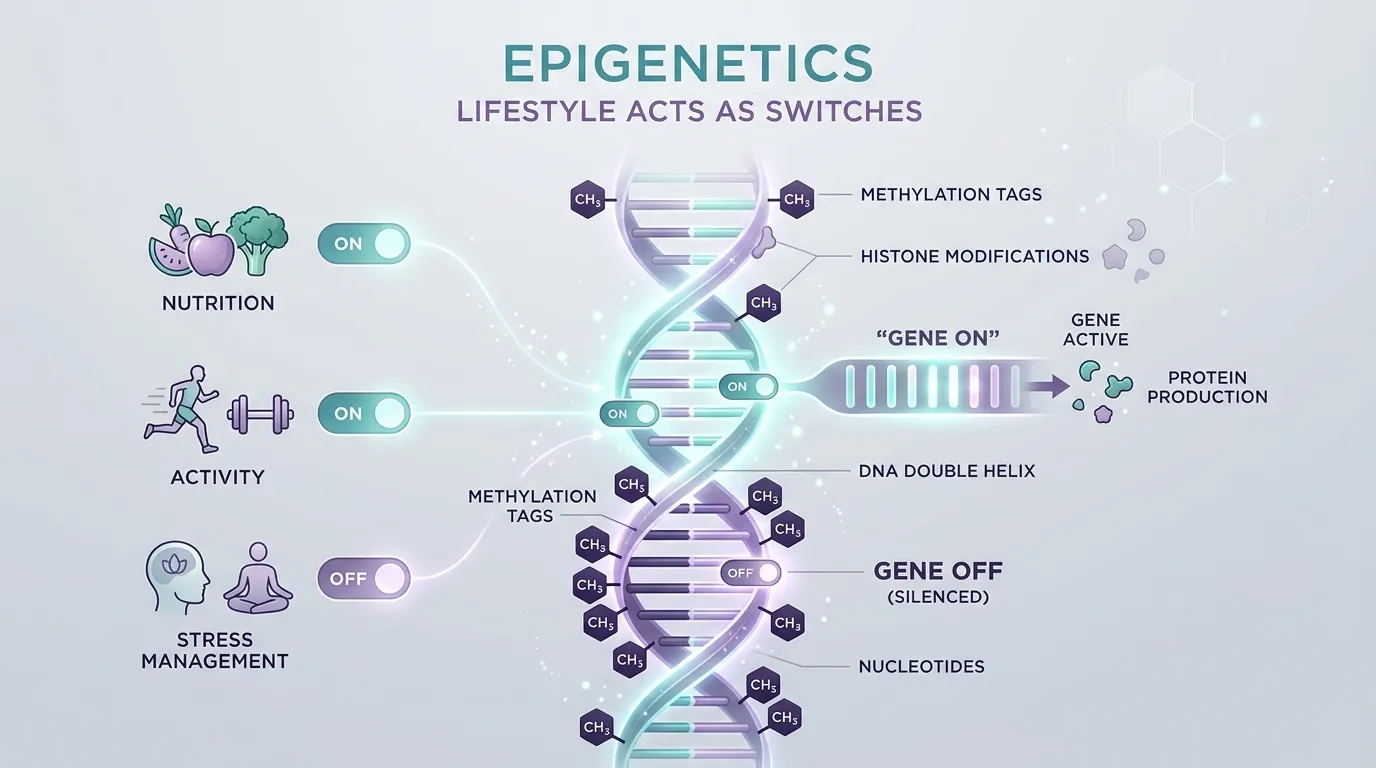
The Control Panel of Your DNA: How Your Lifestyle Rewrites Your Health
Your DNA is the permanent hardware, but epigenetics provides the software bookmarks. Discover how daily habits can activate tumor suppressor genes and rewrite your health blueprint.
 Cancer Awareness
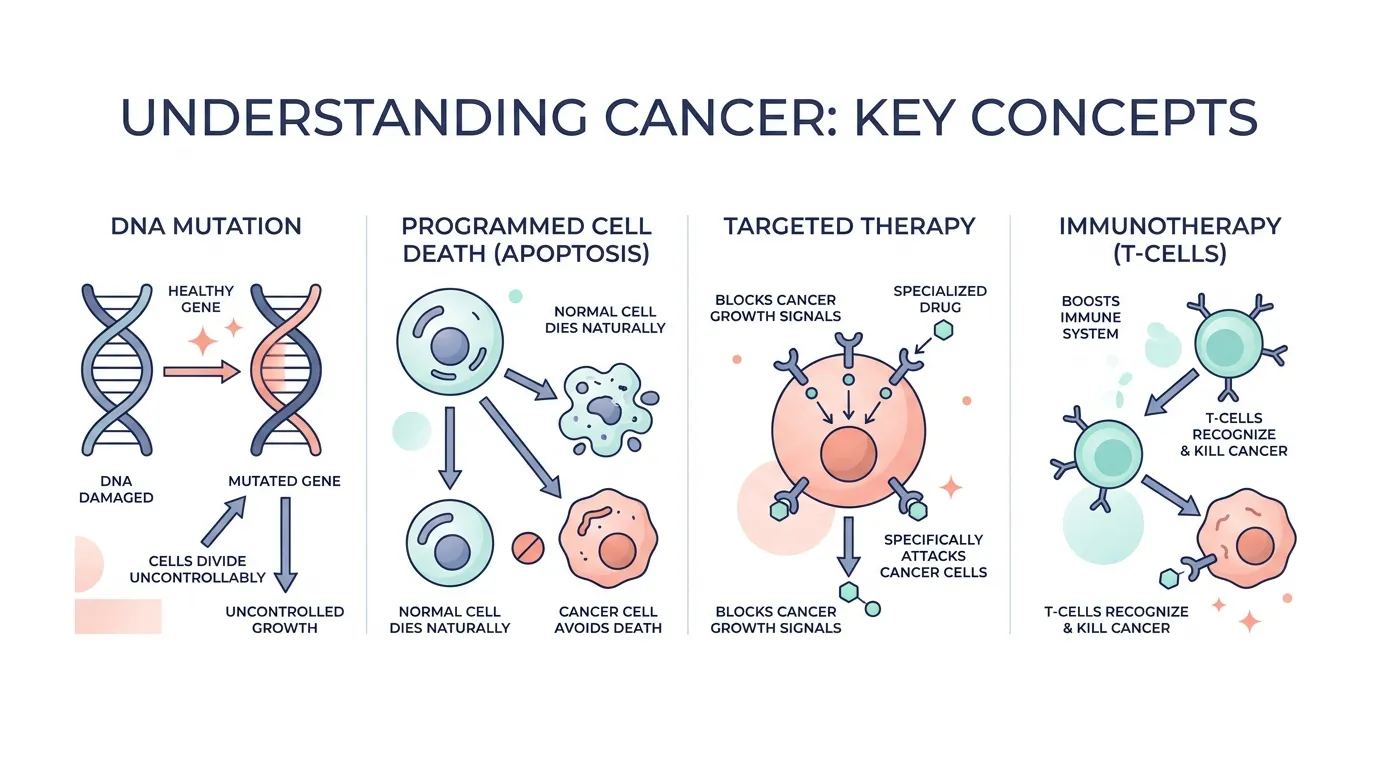
Demystifying Cancer Jargon: A Plain-English Guide to 8 Essential Terms
Hearing words like angiogenesis, apoptosis, or HER2 can feel overwhelming. Here is an empowering translation of eight essential oncology terms using simple everyday analogies.
 Integrative Oncology
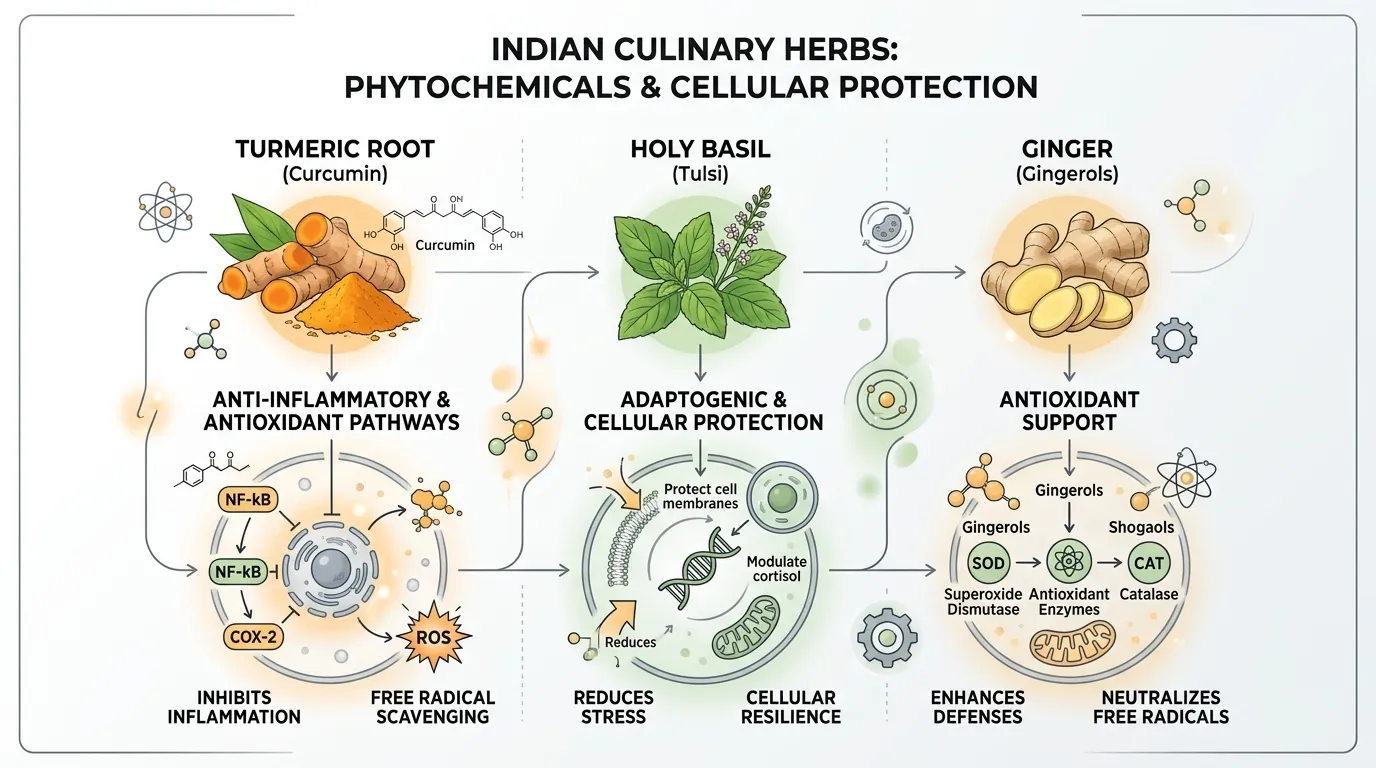
Nature’s Pharmacy: How Common Indian Kitchen Herbs Combat Cancer Hallmarks
Emerging scientific research confirms what traditional medicine has known for centuries: everyday Indian kitchen herbs contain potent bioactive compounds capable of targeting key hallmarks of cancer.