
When the Comments Are Closed: HPV Vaccine Science and the Retreat from Scrutiny
Science has one distinguishing habit: it invites its own contradiction. A finding becomes knowledge only after people have tried to break it.
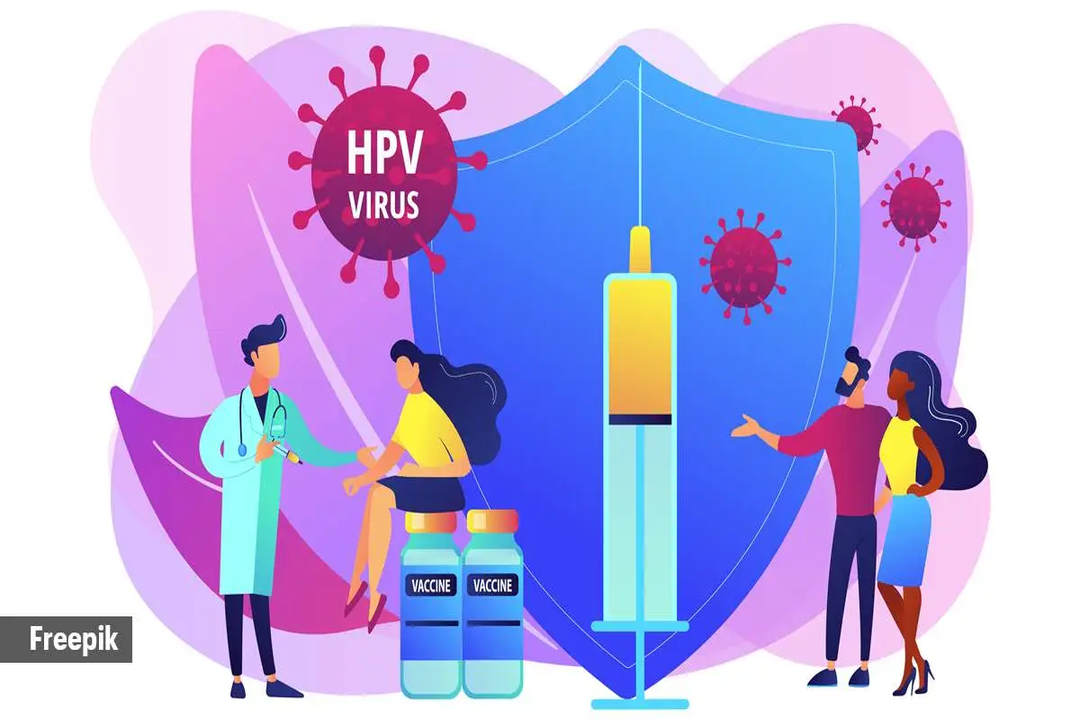
Science has one distinguishing habit: it invites its own contradiction. A finding becomes knowledge only after people have tried to break it. So it is worth noticing a pattern around HPV vaccine content on this platform — posts celebrating effectiveness circulate widely, yet on precisely these posts the comment section is increasingly closed, or limited to the author's own connections. I cannot read anyone's intent from outside a screen, and people disable comments for many reasons. Closing comments on a scientific claim forecloses the very scrutiny that claim is supposed to invite. And there is specific scrutiny waiting.
Consider what the landmark studies — Scotland, England, Sweden, Denmark,
gathered in editorial in the JNCI— actually adjust for & what was left? Take the strongest safety cohort, the Nordic register study of nearly a million girls. Its rate ratios are adjusted for age, country, calendar year & parental country of birth, education & SE status. But notice what it cannot reach. None captures the girl's own baseline health or health-seeking behaviour — the "healthy-vaccinee" effect, visible in the data itself, where vaccinated girls appear improbably protected even against conditions no vaccine could prevent. A model can only remove the confounders it measures & the one that matters most for a safety inference is not among them. Adjustment here lends statistical authority to a null it was never designed to test. The effectiveness papers follow cancer outcomes across a decade & more. Safety, where it is studied at all, is counted within roughly six months of a dose — a net too shallow to catch a delayed or chronic harm, which is exactly the character of the syndromes that prompted a European regulatory review. And open any of these effectiveness papers and search for the word "adverse." It is not there. Adverse events following immunisation are simply out of scope — announced benefit on one page, unmentioned harm on another.

Two further things belong in daylight and rarely make it there: the conflicts of interest of authors and advisory bodies who simultaneously hold vaccine-related funding, and the causality framework that, by design, files new serious events as "coincidental" unless the harm was already proven beforehand — a system that can never generate the first proof.
A claim of benefit without claim of safety especially for a lifelong is not HUMANE.
When benefit is broadcast, harm is unmentioned, adjustment is presented as rigour, and the space for questions is switched off, what remains is not science communicated. It is a conclusion delivered. The remedy is not outrage; it is venue — the journal's correspondence page, where a good question cannot simply be closed. SO THE SCIENCE OF VACCINES IS SHADY & WHEN WE CLOSE COMMENTS WE TOO LOOSE INTEGRITY AS DOCTORS/SCIENTISTS. 📍 Famicare Speciality Center, opp M2K, Rohini, Delhi 📞 Call/WhatsApp: +91 96253 61613 🌐 www.famicarespeciality.com 📧 famicarespeciality08@gmail.com
Frequently Asked Questions
1. Do closed comments prove vaccine research is flawed?
No. Comments may be closed for many reasons, but limiting discussion can reduce public scrutiny and trust.
2. Do HPV vaccine studies account for every possible confounder?
No study can measure everything. Researchers adjust for known factors, while unmeasured differences may still affect results.
3. How should vaccine safety claims be evaluated?
Review large, long-term studies, regulatory assessments, disclosed conflicts of interest, and evidence from multiple independent sources.
connect with us
Keep reading
View all →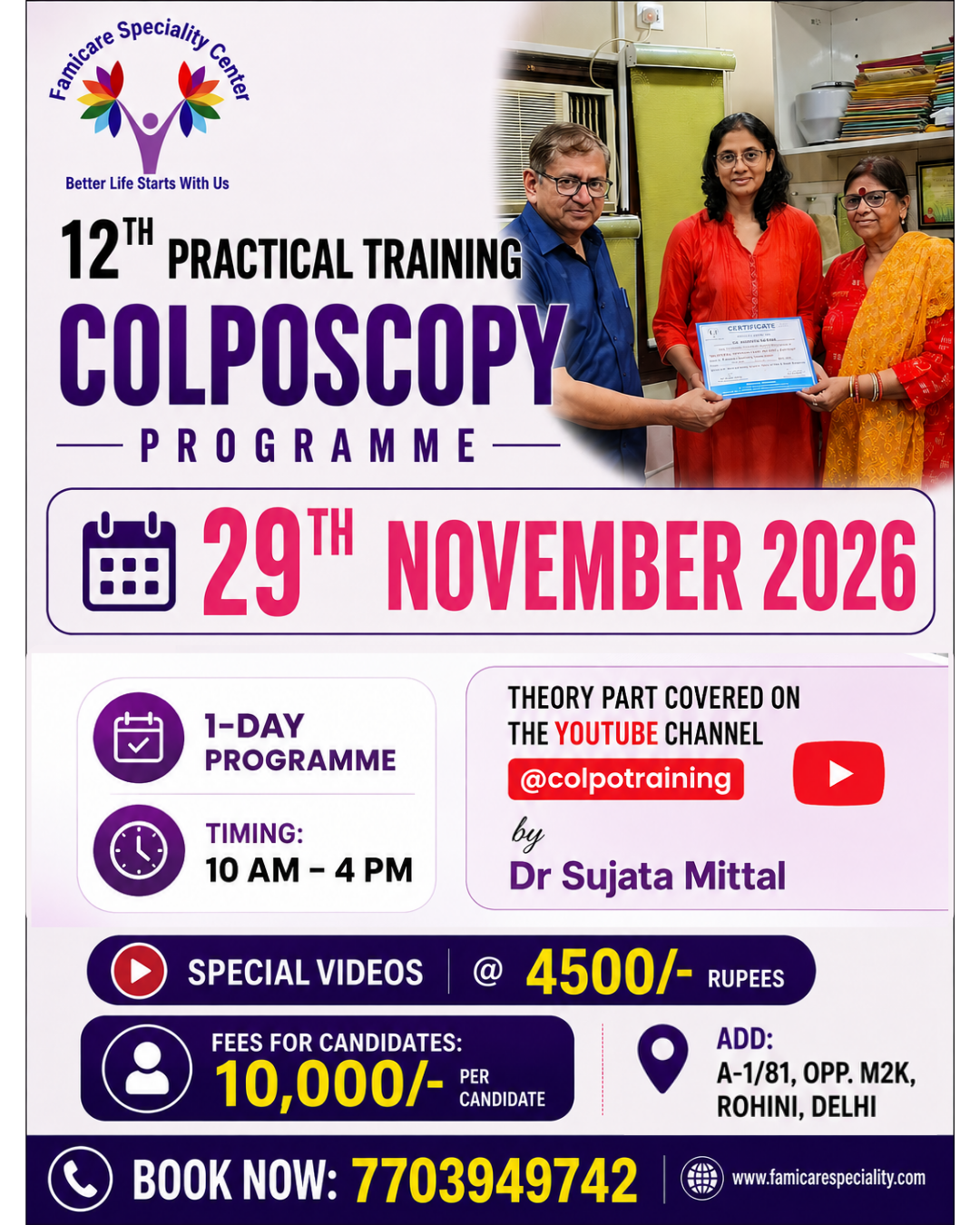 Colposcopy training programme
✨ Practical Colposcopy Training with Hands-On Practical Sessions ✨
 Preventive Oncology
Best Colposcopy in North West Delhi & Rohini: Expert Care at Famicare Speciality Centre
Comprehensive guide to Colposcopy in Rohini & North West Delhi. Learn why expert evaluation is crucial for cervical health and preventive oncology led by Dr. Sujata Mittal.
MASS HYSTERECTOMIES: SLEEPING GOVERNMENT
An investigation first published by India's Business Line in April 2019 exposed HYSTERTOMY TREND in Beed district, Maharashtra: thousands of poor women working as sugarcane cutters…